


Can PVC Mesh Fabric be used for making greenhouse coverings?
Hey there, fellow gardening enthusiasts and farmers! I'm a supplier of PVC Mesh Fabric, and today I'm going to chat with you about whether PVC Mesh Fabric can be used for making greenhouse coverings.
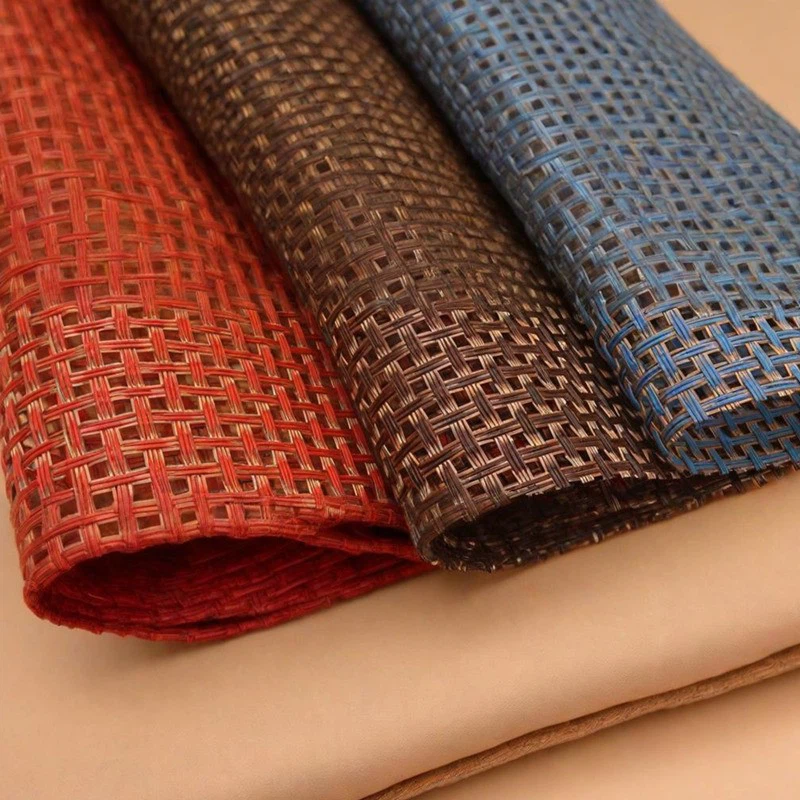
First off, let's take a quick look at what PVC Mesh Fabric is. PVC Mesh Fabric is a type of fabric that's made from polyvinyl chloride (PVC) material. It has a mesh - like structure, which gives it some unique properties. You can find out more about it on our website PVC Mesh Fabric.
Advantages of Using PVC Mesh Fabric for Greenhouse Coverings
1. Ventilation
One of the biggest perks of using PVC Mesh Fabric for greenhouse coverings is its excellent ventilation capabilities. The mesh structure allows air to flow in and out of the greenhouse freely. This is super important because proper ventilation helps control the temperature and humidity inside the greenhouse. In a greenhouse, excessive heat and humidity can lead to all sorts of problems like mold growth, plant diseases, and stunted growth. With PVC Mesh Fabric, fresh air can circulate, keeping the environment inside the greenhouse healthy for your plants.

2. Light Diffusion
Another great thing about PVC Mesh Fabric is its ability to diffuse light. Instead of having direct sunlight hitting the plants all at once, the fabric scatters the light. This is beneficial because it reduces the risk of sunburn on the plants, especially during the peak hours of sunlight. The diffused light also reaches all parts of the plants more evenly, promoting better photosynthesis and overall plant growth.
3. Durability
PVC Mesh Fabric is quite durable. It can withstand various weather conditions, including strong winds, rain, and even some hail. Unlike some other materials that may tear or degrade quickly, PVC Mesh Fabric holds up well over time. This means you won't have to replace the greenhouse covering as often, which can save you both time and money in the long run.
4. Cost - Effectiveness
When it comes to cost, PVC Mesh Fabric is a pretty affordable option for greenhouse coverings. Compared to some high - end materials, it offers a good balance between quality and price. You can get a large amount of PVC Mesh Fabric at a reasonable cost, making it suitable for both small - scale home gardens and large - scale commercial greenhouses.
Disadvantages of Using PVC Mesh Fabric for Greenhouse Coverings
1. Insulation
One of the drawbacks of PVC Mesh Fabric is its insulation properties. Since it has a mesh structure, it doesn't provide as much insulation as some solid materials. In colder climates, this can be a problem because it may be difficult to keep the greenhouse warm enough during the winter months. If you live in an area with harsh winters, you might need to use additional insulation methods along with the PVC Mesh Fabric.
2. Pest Protection
The mesh size of PVC Mesh Fabric may not be small enough to keep out all pests. Tiny insects like aphids and whiteflies might be able to squeeze through the holes in the mesh. This means you may still need to use some form of pest control inside the greenhouse to protect your plants.
Comparison with Other Fabrics
Teslin Mesh Fabric
Teslin Mesh Fabric, which you can learn more about here, is another option for greenhouse coverings. Teslin Mesh Fabric is known for its high - end quality and better water - resistance. It may offer more protection against heavy rain compared to PVC Mesh Fabric. However, it's usually more expensive. PVC Mesh Fabric, on the other hand, is more cost - effective and still provides good ventilation and light diffusion.
100% Blackout Fabric
100% Blackout Fabric is used mainly when you want to control the amount of light completely. It's great for plants that require specific light cycles, like some types of mushrooms. But it doesn't offer the same ventilation as PVC Mesh Fabric. If ventilation is a top priority for your greenhouse, PVC Mesh Fabric would be a better choice.
Tips for Using PVC Mesh Fabric in Greenhouses
If you decide to use PVC Mesh Fabric for your greenhouse covering, here are some tips to make the most of it:
- Proper Installation: Make sure the fabric is installed tightly and evenly. Loose fabric can flap in the wind, which may cause damage over time.
- Regular Maintenance: Check the fabric regularly for any signs of damage. If you find any holes or tears, repair them as soon as possible to prevent further damage.
- Combination with Other Materials: As mentioned earlier, if you need better insulation or pest protection, you can combine PVC Mesh Fabric with other materials. For example, you can use a layer of plastic film inside the greenhouse for added insulation.
Conclusion
So, can PVC Mesh Fabric be used for making greenhouse coverings? The answer is yes! It has its advantages like good ventilation, light diffusion, durability, and cost - effectiveness. However, it also has some disadvantages such as limited insulation and pest protection. Whether it's the right choice for you depends on your specific needs, the climate in your area, and the types of plants you're growing.
If you're interested in purchasing PVC Mesh Fabric for your greenhouse or have any questions about it, feel free to reach out. We're here to help you make the best decision for your gardening or farming project.
References
- "Greenhouse Gardening Basics" by Green Thumb Publishing
- "Materials for Greenhouse Construction" from Agricultural Research Journal


