


Hey there, fellow model - making enthusiasts! As a supplier of transparent film, I've been getting a lot of questions lately about whether transparent film can be used for making models. Well, you bet it can! In this blog, I'm gonna break down all the ins and outs of using transparent film in model - making.
Why Transparent Film?
First off, let's talk about why transparent film is a great option for models. Transparency is a huge plus. It allows you to see through the material, which can be super useful for creating models that need to show internal structures, like a model of a building with glass windows or a mechanical device with visible gears.
Another advantage is its flexibility. Most transparent films are pretty bendy and can be shaped easily. You can cut it, fold it, and even heat - mold it in some cases. This makes it suitable for a wide range of model - making projects, from simple 2D designs to complex 3D structures.
Types of Transparent Films for Models
We offer several types of transparent films that are perfect for model - making. One of our top - sellers is the Clear TPU Film. TPU (Thermoplastic Polyurethane) is known for its high flexibility and durability. It's resistant to abrasion and chemicals, which means your models will last a long time. This film is also very clear, so it won't distort the view of whatever is inside or behind it. Whether you're making a model of a water tank or a flexible robotic part, Clear TPU Film is a great choice.
Then there's the Super Clear PVC Film. PVC (Polyvinyl Chloride) is a common plastic that's been around for ages. Our Super Clear PVC Film is extremely clear and has a smooth surface. It's easy to cut and glue, making it ideal for beginners in model - making. You can use it to create windows for a dollhouse, or the clear panels of a display case.
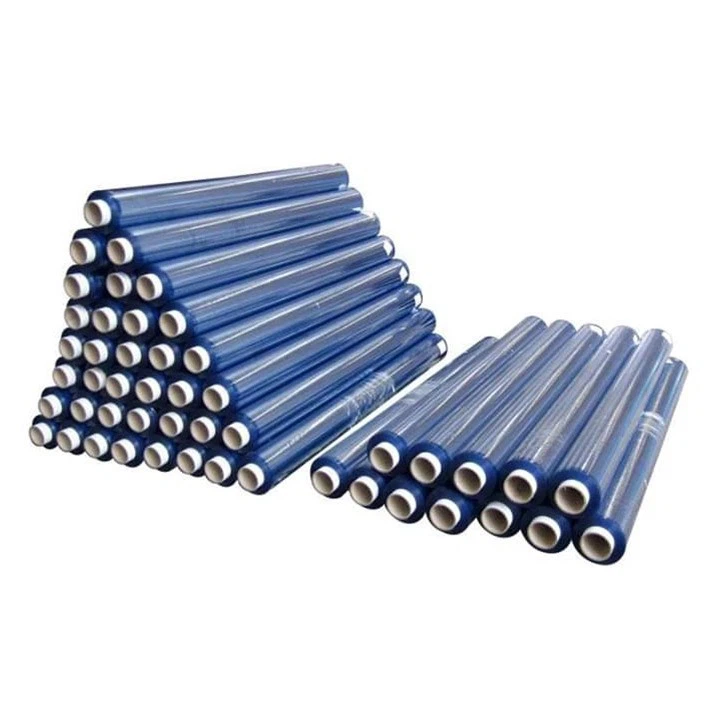
If you're looking for something a bit more colorful, our Colored Transparent PVC Film is the way to go. It comes in a variety of colors, like blue, red, and green. This can add a really cool aesthetic to your models. For example, you could use a colored transparent PVC Film to make the lights on a model car or the stained - glass windows of a medieval castle.
How to Use Transparent Film in Model - Making
Now that you know about the different types of transparent films, let's talk about how to use them in your model - making projects.
Cutting
The first step is usually cutting the film to the right size and shape. You can use a sharp pair of scissors or a craft knife. If you're cutting a complex shape, it might be a good idea to draw the shape on the film first using a pencil. Just be careful not to press too hard, as you don't want to scratch the film.
Shaping
As I mentioned earlier, many transparent films can be shaped. For TPU film, you can heat it up with a heat gun to make it more pliable. Once it's soft, you can bend it or mold it into the shape you need. Just make sure to let it cool down slowly so it holds its shape. PVC films can also be bent, but they're not as heat - moldable as TPU. You can use a ruler or a straight edge to create sharp folds.

Joining
To join pieces of transparent film together, you can use glue. There are special glues designed for plastic, like cyanoacrylate glue (also known as super glue). Just apply a small amount of glue to the edges of the film and press them together firmly. Make sure to work in a well - ventilated area, as the fumes from the glue can be strong. You can also use tape in some cases, but it might not be as strong as glue.
Advantages of Using Our Transparent Films in Model - Making
One of the biggest advantages of using our transparent films is the quality. We source our materials from top - notch suppliers and have strict quality control measures in place. This means you can be sure that the film you're getting is consistent in thickness, clarity, and strength.
Another advantage is the variety. With different types and colors of transparent films available, you have a lot of creative freedom. You can mix and match to create unique and eye - catching models.
We also offer custom - cutting services. If you have a specific size or shape in mind, just let us know, and we can cut the film for you. This saves you time and ensures a more precise fit for your model.
Potential Challenges and How to Overcome Them
Of course, using transparent film in model - making isn't without its challenges. One common issue is static electricity. Transparent films can attract dust and debris due to static, which can be a bit of a nuisance. To overcome this, you can use an anti - static spray. Just spray it on the film and wipe it clean with a soft cloth.
Another challenge is getting a perfect seal when joining pieces of film. Sometimes, there might be small gaps or air bubbles. To minimize this, make sure the surfaces are clean and dry before applying the glue. You can also use a roller or a flat object to press out any air bubbles after joining the pieces.
Conclusion
So, there you have it! Transparent film is definitely a great material for making models. Whether you're a professional model - maker or just starting out as a hobbyist, our range of transparent films, including Clear TPU Film, Super Clear PVC Film, and Colored Transparent PVC Film, can meet your needs.
If you're interested in using our transparent films for your next model - making project, I'd love to hear from you. We're here to help you choose the right film, answer any questions you might have, and provide you with high - quality products. Don't hesitate to reach out and start a conversation about your procurement needs. Let's create some amazing models together!
References
- "Plastics in Model - Making: A Comprehensive Guide", Model - Making Magazine, 2022.
- "The Properties and Applications of TPU and PVC Films", Polymer Science Journal, 2021.


