


Hey there! As a supplier of Water Bladders, I often get asked how to clean the hose of a water bladder. It's actually a crucial step in maintaining the quality and longevity of your water storage system. In this blog, I’m gonna walk you through the whole process, step by step.
Why Cleaning the Hose Matters
Before we dive into the cleaning process, let's talk about why it's so important. The hose of your Water Bladder is the conduit through which water flows in and out. Over time, it can accumulate dirt, debris, and even bacteria. If not cleaned regularly, these contaminants can find their way into the water you store, making it unsafe for use. Plus, a clogged hose can reduce water flow, which can be a real pain when you need a quick supply of water.
What You'll Need
To clean the hose of your water bladder, you'll need a few basic items:
- Warm, Soapy Water: A mild dish soap mixed with warm water is usually enough to break down dirt and grease.
- Long Brush or Pipe Cleaner: This will help you reach deep into the hose and scrub away any stubborn grime.
- Bucket: You'll need a bucket to hold the soapy water and to rinse the hose.
- Hose Nozzle or Pressure Washer (Optional): A hose nozzle or pressure washer can provide extra cleaning power, especially for larger hoses.
Step-by-Step Cleaning Process
Step 1: Disconnect the Hose
The first thing you need to do is disconnect the hose from the water bladder. Make sure to turn off the water supply and relieve any pressure in the hose before you start. This will prevent any water from spraying out unexpectedly.
Step 2: Flush the Hose
Once the hose is disconnected, take it to an area where you can easily rinse it. Turn on the water and let it flow through the hose for a few minutes. This will help remove any loose dirt and debris. You can also use a hose nozzle to increase the water pressure and get a better flush.
Step 3: Prepare the Soapy Water
In a bucket, mix a small amount of mild dish soap with warm water. You don't need a lot of soap - just enough to create a soapy solution. Stir the mixture gently until the soap is fully dissolved.
Step 4: Scrub the Inside of the Hose
Dip the long brush or pipe cleaner into the soapy water and start scrubbing the inside of the hose. Work your way from one end of the hose to the other, making sure to cover every inch. If the hose is particularly dirty, you may need to repeat this step a few times.
Step 5: Rinse the Hose Thoroughly
After you've scrubbed the hose, rinse it thoroughly with clean water. Make sure to remove all traces of soap and dirt. You can use a hose nozzle or a pressure washer to make sure the hose is completely clean.
Step 6: Let the Hose Dry
Once the hose is clean, hang it up to dry in a well-ventilated area. Make sure to let it dry completely before reconnecting it to the water bladder. This will prevent the growth of mold and mildew.
Special Considerations
- Hard Water Deposits: If you live in an area with hard water, you may notice calcium and magnesium deposits in the hose. To remove these deposits, you can soak the hose in a solution of equal parts water and vinegar for a few hours. Then, rinse the hose thoroughly with clean water.
- Bacteria and Algae Growth: If you suspect that there is bacteria or algae growth in the hose, you can add a small amount of bleach to the soapy water. Make sure to use a very diluted solution - no more than 1 tablespoon of bleach per gallon of water. After scrubbing the hose with the bleach solution, rinse it thoroughly with clean water to remove any traces of bleach.
Other Types of Bladders and Their Cleaning
We also offer Cooking Oil Storage Bags and Oil Bladders. Cleaning the hoses for these products follows a similar process, but with some differences.
For cooking oil storage bags, you'll need to use a degreaser instead of dish soap. Degreasers are specifically designed to break down oil and grease. After scrubbing with the degreaser, rinse the hose thoroughly to remove any residue.

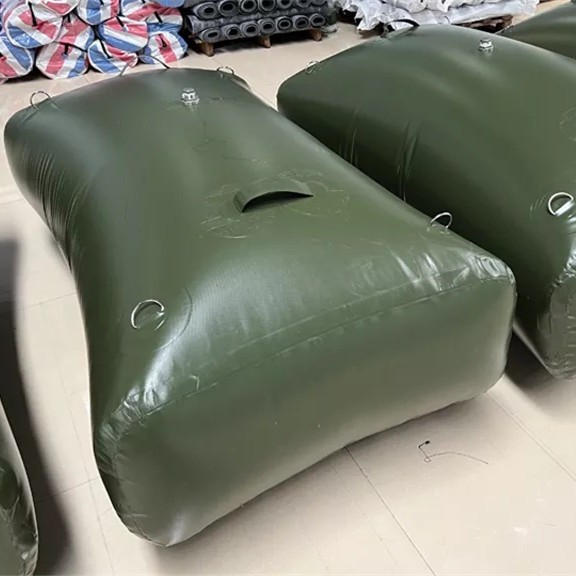
When it comes to oil bladders, the hoses can be even more challenging to clean. You may need to use a specialized oil-based cleaner. Make sure to follow the manufacturer's instructions carefully when using these cleaners. After cleaning, rinse the hose thoroughly to prevent any oil residue from contaminating future oil storage.
Maintaining Your Bladder and Hose
Regular cleaning is just one part of maintaining your water bladder and hose. Here are some other tips to keep your system in top condition:
- Inspect the Hose Regularly: Look for any signs of damage, such as cracks or leaks. If you notice any issues, replace the hose immediately.
- Store the Bladder and Hose Properly: When not in use, store the water bladder and hose in a cool, dry place. This will help prevent damage from the elements.
- Use a Water Filter: A water filter can help remove contaminants from the water before it enters the bladder. This can reduce the amount of dirt and debris that accumulates in the hose.
Wrapping Up
Cleaning the hose of your water bladder may seem like a chore, but it's an important part of maintaining a safe and efficient water storage system. By following these steps and using the right tools, you can keep your hose clean and your water supply safe.
If you're in the market for a new water bladder, cooking oil storage bag, or oil bladder, or if you have any questions about cleaning or maintenance, don't hesitate to reach out and start a procurement discussion. I'm here to help you find the best solution for your needs.
References
- General knowledge on water bladder maintenance and cleaning.
- Manufacturer's guidelines for water bladders, cooking oil storage bags, and oil bladders.


