


As a supplier of TPU coated fabric, I've witnessed firsthand the diverse applications and the crucial role temperature plays in its performance. TPU, or thermoplastic polyurethane, is a remarkable material known for its flexibility, durability, and resistance to abrasion. When coated onto fabric, it enhances the fabric's properties, making it suitable for a wide range of uses, from bags and water bladders to drop - stitch products. In this blog, I'll delve into how temperature affects the performance of TPU coated fabric.
1. Physical Properties at Different Temperatures
1.1 Low Temperatures
At low temperatures, TPU coated fabric undergoes significant changes in its physical properties. TPU is a thermoplastic, and as the temperature drops, its molecular mobility decreases. This leads to a phenomenon known as embrittlement. The fabric becomes stiffer and less flexible. For example, in extremely cold environments, say below -20°C, the TPU coating can crack or even break under stress.
This is a critical concern for applications such as TPU Bag Fabric. Bags made from TPU coated fabric may be used in winter sports or cold - climate regions. If the fabric becomes too brittle, it can compromise the integrity of the bag. The seams may be more prone to failure, and the bag may not be able to withstand the normal wear and tear associated with daily use.
In the case of TPU Water Bladder Fabric, low temperatures can cause the TPU coating to lose its elasticity. This can lead to leaks if the bladder is bent or squeezed. The reduced flexibility also makes it difficult to fold or store the water bladder properly.
1.2 High Temperatures
Conversely, high temperatures have their own set of effects on TPU coated fabric. As the temperature rises, the TPU coating becomes more pliable. The increased molecular mobility allows the polymer chains to move more freely, which can lead to a decrease in the fabric's dimensional stability.
For TPU Drop - stitch Fabric, which is commonly used in inflatable products like paddleboards and air mattresses, high temperatures can be a problem. The drop - stitch construction relies on the TPU coating to hold the vertical fibers in place. When the TPU becomes too soft at high temperatures, the fabric may sag or lose its shape. This can affect the performance of the inflatable product, reducing its rigidity and stability.
In addition, high temperatures can accelerate the degradation of the TPU coating. Oxidation and chemical reactions occur more rapidly, which can lead to a reduction in the coating's strength and durability over time. The fabric may become sticky, and its surface may start to peel or blister.
2. Chemical Stability
2.1 Low Temperatures
From a chemical perspective, low temperatures generally slow down chemical reactions. However, in the case of TPU coated fabric, the reduced molecular mobility can also make the coating more susceptible to certain types of damage. For example, moisture can condense on the fabric surface at low temperatures. If the TPU coating has any microscopic defects, the condensed water can penetrate the coating and cause delamination between the TPU and the fabric substrate.
The cold can also affect the adhesion between the TPU and the fabric. As the materials contract at different rates, the stress at the interface can increase, leading to a weakening of the bond. This can be a significant issue for long - term use of the fabric in cold environments.
2.2 High Temperatures
High temperatures can have a more pronounced effect on the chemical stability of TPU coated fabric. The TPU is a polymer, and at elevated temperatures, it can undergo thermal degradation. The polymer chains can break down, releasing volatile compounds. This not only weakens the coating but can also pose a health risk if the fabric is used in enclosed spaces.
The presence of oxygen at high temperatures can further accelerate the degradation process through oxidation. The TPU may turn yellow or brown, and its mechanical properties may deteriorate rapidly. UV radiation, which is often more intense at high temperatures, can also contribute to the degradation of the TPU coating. The combination of heat, oxygen, and UV can lead to a significant reduction in the fabric's lifespan.
3. Mechanical Performance
1.2 Low Temperatures
In terms of mechanical performance, low temperatures reduce the fabric's impact resistance. The brittle nature of the TPU coating means that it can shatter upon impact. For example, if a TPU - coated bag is dropped on a hard surface in cold weather, the coating may crack, exposing the underlying fabric.
The tensile strength of the fabric may also be affected. As the TPU becomes less flexible, it can transfer more stress to the fabric fibers. This can cause the fibers to break more easily, reducing the overall strength of the fabric.
1.2 High Temperatures
At high temperatures, the mechanical performance of the TPU coated fabric is also compromised. The reduced stiffness of the TPU coating means that the fabric has less resistance to stretching. This can be a problem for applications where the fabric needs to maintain its shape under load. For example, in a TPU - coated sail, the fabric may stretch too much at high temperatures, reducing the sail's efficiency.
The tear strength of the fabric may also decrease. The softening of the TPU makes it easier for a tear to propagate through the coating and the fabric. This can lead to premature failure of the fabric in applications where it is subject to tearing forces.
4. Impact on Different Applications
4.1 TPU Bag Fabric
As mentioned earlier, temperature has a significant impact on the performance of TPU Bag Fabric. In cold climates, the bag needs to be able to withstand the low - temperature conditions without losing its functionality. Manufacturers may need to use special formulations of TPU that are more resistant to embrittlement at low temperatures.
In hot climates, the bag should maintain its shape and durability. This may require the use of heat - resistant additives in the TPU coating to prevent sagging and degradation.
4.2 TPU Water Bladder Fabric
For TPU Water Bladder Fabric, temperature affects both the integrity of the bladder and the quality of the water it holds. At low temperatures, the risk of leaks due to the loss of elasticity is a major concern. In high - temperature environments, the degradation of the TPU coating can lead to the release of harmful chemicals into the water.
Manufacturers need to ensure that the TPU coated fabric used in water bladders is suitable for a wide range of temperatures to guarantee the safety and performance of the product.
4.3 TPU Drop - stitch Fabric
TPU Drop - stitch Fabric is used in inflatable products that are often exposed to various temperature conditions. In cold weather, the fabric needs to maintain its shape and strength to ensure the stability of the inflatable. In hot weather, it should resist sagging and degradation to provide a reliable and durable product.
5. Mitigating the Effects of Temperature
5.1 Material Selection
One way to mitigate the effects of temperature on TPU coated fabric is through careful material selection. There are different grades of TPU available, each with its own temperature resistance characteristics. For applications in cold environments, a TPU with a low glass transition temperature can be chosen. This type of TPU remains flexible at low temperatures, reducing the risk of embrittlement.
For high - temperature applications, a heat - resistant TPU formulation can be selected. These formulations often contain additives that enhance the polymer's thermal stability and resistance to oxidation.
5.2 Coating Thickness and Structure
The thickness and structure of the TPU coating can also play a role in temperature performance. A thicker coating may provide better insulation and protection against temperature - related damage. However, it may also affect the fabric's flexibility and weight.
Some manufacturers use multi - layer coatings or hybrid structures to improve the temperature resistance of the fabric. For example, a layer of heat - reflective material can be added to the outer surface of the TPU coating to reduce the impact of high temperatures.
5.3 Protective Treatments
Applying protective treatments to the TPU coated fabric can also help mitigate temperature effects. UV - resistant coatings can be used to protect the fabric from the harmful effects of sunlight at high temperatures. Anti - moisture treatments can prevent water penetration at low temperatures, reducing the risk of delamination.
6. Conclusion
Temperature has a profound impact on the performance of TPU coated fabric. From physical and chemical changes to mechanical performance and application - specific issues, it is crucial to understand how temperature affects the fabric to ensure its proper use and longevity.
As a TPU coated fabric supplier, we are committed to providing high - quality products that can withstand a wide range of temperature conditions. Our team of experts is constantly researching and developing new materials and technologies to improve the temperature resistance of our fabrics.
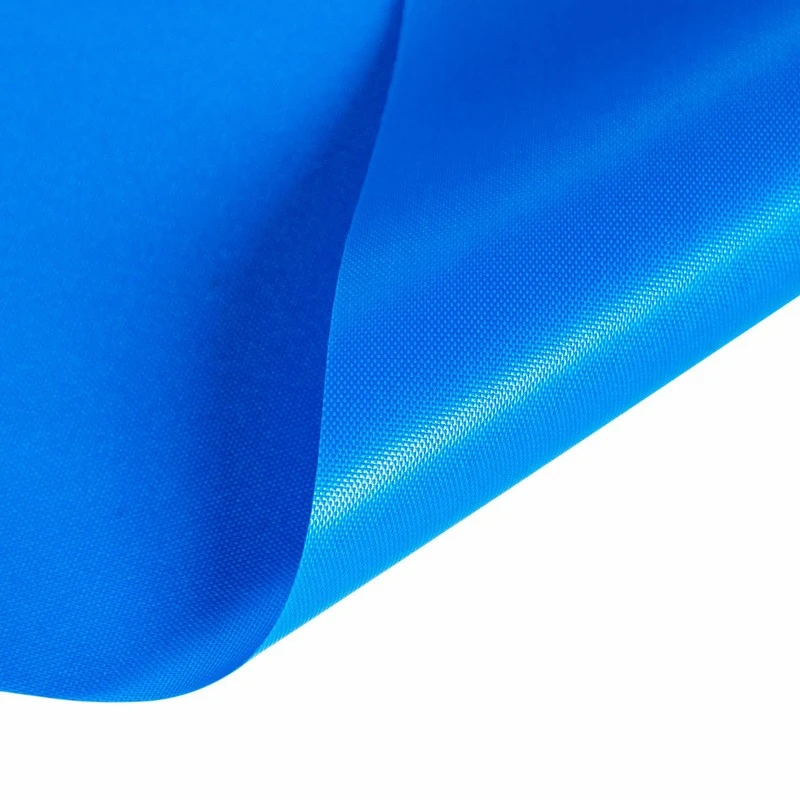
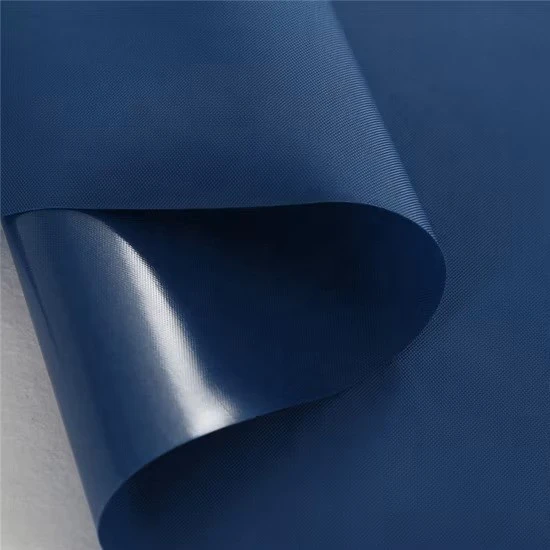
If you are in the market for TPU coated fabric for your specific application, we invite you to contact us for a detailed discussion. We can help you select the right fabric based on your temperature requirements and other performance criteria. Let's work together to find the best solution for your needs.
References
- “Handbook of Thermoplastic Elastomers” edited by B. M. Walker and C. P. Rader.
- “Polymer Science and Technology” by L. H. Sperling.
- Research papers on the effects of temperature on polymer coatings published in journals such as “Polymer Degradation and Stability” and “Journal of Applied Polymer Science”.


