


As a supplier of TPU coated fabric, I understand the critical importance of breathability in our products. Breathability is not just a technical specification; it's a key factor that can significantly impact the performance and comfort of end - use applications. In this blog, I'll share with you several effective methods to test the breathability of TPU coated fabric.
Why is Breathability Testing Important?
Before diving into the testing methods, let's briefly discuss why breathability testing is so crucial. In many applications, such as sportswear, outdoor equipment, and medical textiles, breathability allows moisture vapor (sweat) to escape from the body, keeping the wearer dry and comfortable. If a TPU coated fabric lacks proper breathability, it can lead to a build - up of moisture, causing discomfort, skin irritation, and even reducing the lifespan of the product.
1. Cup Method
The cup method is one of the most common and straightforward ways to test the breathability of TPU coated fabric. This method is based on the principle of measuring the amount of water vapor that passes through the fabric over a specific period.
Materials Needed
- A test cup with a known area opening.
- Distilled water.
- Desiccant (such as silica gel) or a saturated salt solution.
- A balance.
- The TPU coated fabric sample.
Procedure
- Prepare the Test Cup: If using a desiccant, place it in the bottom of the test cup. If using a saturated salt solution, pour an appropriate amount into the cup. The purpose of the desiccant or salt solution is to create a stable humidity environment inside the cup.
- Seal the Fabric Sample: Cut a fabric sample large enough to cover the opening of the test cup. Secure the fabric tightly over the opening using a sealing ring or adhesive tape to prevent any leakage around the edges.
- Initial Weighing: Weigh the entire test cup with the fabric sample and record the initial weight.
- Incubation: Place the test cup in a controlled environment chamber with a set temperature and relative humidity. The standard conditions are usually 23°C and 50% relative humidity. Leave the test cup in the chamber for a specific period, typically 24 hours.
- Final Weighing: After the incubation period, remove the test cup from the chamber and weigh it again. The difference in weight before and after the incubation represents the amount of water vapor that has passed through the fabric.
Calculation
The breathability can be calculated using the following formula:
[
\text{Breathability} (g/m^{2}\cdot 24h)=\frac{\Delta m}{A}\times 24
]
where (\Delta m) is the change in weight (in grams) and (A) is the area of the fabric sample exposed to the water vapor (in square meters).
2. Permeation Cell Method
The permeation cell method is a more advanced and accurate way to measure the breathability of TPU coated fabric. It is based on the principle of measuring the flux of water vapor through the fabric under a controlled pressure gradient.
Materials Needed
- A permeation cell with two chambers separated by the fabric sample.
- A humidity sensor in each chamber.
- A temperature - controlled environment.
- A gas flow system to maintain a constant gas flow through the chambers.
Procedure
- Prepare the Permeation Cell: Mount the TPU coated fabric sample in the permeation cell, ensuring a tight seal between the fabric and the cell walls.
- Set the Initial Conditions: Set the humidity and temperature in the two chambers. Usually, one chamber is set to a high - humidity environment (e.g., 90% relative humidity) and the other to a low - humidity environment (e.g., 10% relative humidity).
- Start the Gas Flow: Start the gas flow through the chambers to maintain a constant pressure and ensure the continuous transfer of water vapor through the fabric.
- Monitor the Humidity Changes: Use the humidity sensors to monitor the change in humidity in both chambers over time. As water vapor permeates through the fabric, the humidity in the low - humidity chamber will increase, and the humidity in the high - humidity chamber will decrease.
- Calculate the Permeation Rate: Based on the humidity changes and the known volume of the chambers, the permeation rate of water vapor through the fabric can be calculated.
3. Moisture Management Tester
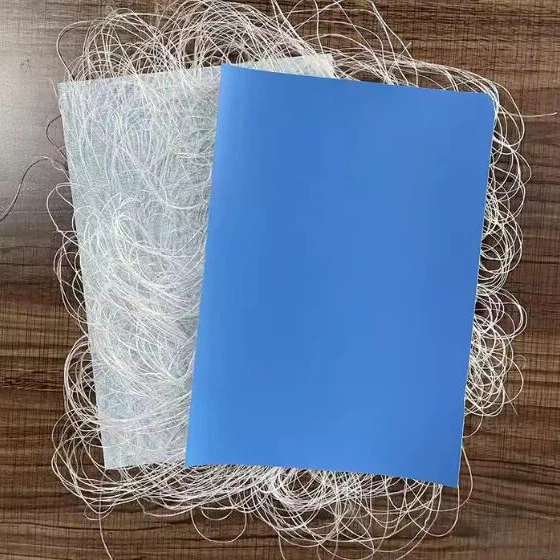
A moisture management tester is a specialized device that can comprehensively evaluate the moisture - handling properties of TPU coated fabric, including breathability.

Procedure
- Sample Preparation: Cut a fabric sample according to the tester's requirements. The sample should be representative of the TPU coated fabric.
- Place the Sample in the Tester: Insert the fabric sample into the moisture management tester. The tester usually has a system to simulate the sweating process by applying a certain amount of liquid (simulated sweat) to one side of the fabric.
- Measure the Moisture Transfer: The tester measures the rate at which the liquid spreads on the fabric surface, the amount of liquid that is absorbed, and the time it takes for the liquid to evaporate from the fabric. These parameters are used to evaluate the breathability and moisture - management performance of the fabric.
Factors Affecting Breathability Testing Results
When conducting breathability tests on TPU coated fabric, several factors can affect the results:
Fabric Structure
The structure of the TPU coated fabric, such as the porosity, thickness, and the arrangement of fibers, can significantly impact breathability. A more porous fabric will generally have better breathability.
Coating Thickness and Composition
The thickness and composition of the TPU coating can also affect breathability. A thicker coating may reduce breathability, while the type of TPU resin and additives used in the coating can influence the moisture - vapor permeability.
Environmental Conditions
The temperature and relative humidity during the testing process can have a significant impact on the breathability results. Higher temperatures and lower relative humidity generally increase the rate of water vapor transfer through the fabric.
Conclusion
Testing the breathability of TPU coated fabric is essential to ensure the quality and performance of our products. By using methods such as the cup method, permeation cell method, and moisture management tester, we can accurately evaluate the breathability of our fabrics.
As a TPU coated fabric supplier, we offer a wide range of products, including TPU Water Bladder Fabric, TPU Drop - stitch Fabric, and TPU Bag Fabric. Our fabrics are carefully tested for breathability and other performance indicators to meet the diverse needs of our customers.
If you are interested in our TPU coated fabric products or have any questions about breathability testing, please feel free to contact us for further discussion and procurement negotiation. We are committed to providing high - quality products and excellent service to our customers.
References
- ASTM E96 - 16, Standard Test Methods for Water Vapor Transmission of Materials.
- ISO 11092:2014, Textiles - Physiological effects - Measurement of thermal and water - vapour resistance under steady - state conditions (sweating guarded - hotplate test).
- AATCC Test Method 195 - 2015, Moisture Management Properties of Textiles.


