


As a supplier of TPU coated fabric, I understand the crucial role that tear strength plays in determining the quality and performance of our products. TPU (Thermoplastic Polyurethane) coated fabrics are widely used in various industries, including outdoor equipment, automotive interiors, and medical applications, where durability and resistance to tearing are essential. In this blog post, I will share some insights on how to test the tear strength of TPU coated fabric, ensuring that our customers receive the highest quality materials for their specific needs.
Understanding Tear Strength
Tear strength refers to the ability of a fabric to resist tearing when a force is applied perpendicular to the fabric's surface. In the case of TPU coated fabric, the tear strength is influenced by several factors, including the type of TPU coating, the base fabric material, and the manufacturing process. A higher tear strength indicates better durability and resistance to damage, making it an important parameter to consider when selecting TPU coated fabric for your application.
Testing Methods
There are several methods available for testing the tear strength of TPU coated fabric, each with its own advantages and limitations. The choice of testing method depends on the specific requirements of your application and the standards you need to meet. Here are some commonly used testing methods:

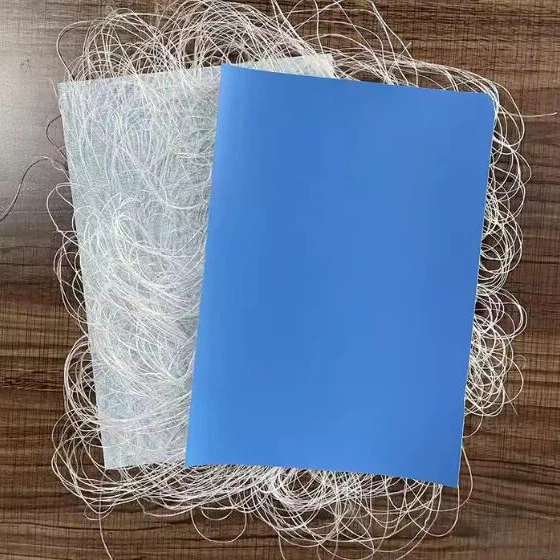
Elmendorf Tear Test
The Elmendorf tear test is one of the most widely used methods for measuring the tear strength of fabrics. This test involves cutting a specimen of the fabric and then using a pendulum to apply a sudden force to the specimen, causing it to tear. The tear strength is determined by measuring the energy required to tear the specimen. The Elmendorf tear test is relatively simple and quick to perform, making it a popular choice for quality control purposes.
Tongue Tear Test
The tongue tear test, also known as the single-rip tear test, is another commonly used method for measuring the tear strength of fabrics. This test involves cutting a specimen of the fabric in the shape of a tongue and then pulling the two ends of the tongue apart using a tensile testing machine. The tear strength is determined by measuring the maximum force required to tear the specimen. The tongue tear test is more accurate than the Elmendorf tear test, but it is also more time-consuming and requires more specialized equipment.
Trapezoid Tear Test
The trapezoid tear test is a method for measuring the tear strength of fabrics under a more realistic loading condition. This test involves cutting a specimen of the fabric in the shape of a trapezoid and then pulling the two ends of the trapezoid apart using a tensile testing machine. The tear strength is determined by measuring the maximum force required to tear the specimen. The trapezoid tear test is more complex than the Elmendorf tear test and the tongue tear test, but it provides a more accurate representation of the tear strength of the fabric under real-world conditions.
Test Specimen Preparation
Before conducting any tear strength test, it is important to prepare the test specimens correctly. The size and shape of the test specimens depend on the testing method being used and the standards you need to meet. Here are some general guidelines for preparing test specimens:
- Cutting the Specimens: Use a sharp cutter or scissors to cut the specimens from the TPU coated fabric. Make sure the specimens are cut straight and clean, without any nicks or tears.
- Size and Shape: The size and shape of the test specimens should be consistent with the testing method being used. For example, the Elmendorf tear test typically requires specimens that are 63.5 mm wide and 76.2 mm long, while the tongue tear test requires specimens that are 100 mm wide and 200 mm long.
- Number of Specimens: The number of test specimens required depends on the testing method being used and the standards you need to meet. In general, it is recommended to test at least five specimens to obtain reliable results.
Testing Equipment
To conduct tear strength tests on TPU coated fabric, you will need some specialized testing equipment. Here are some of the equipment you may need:
- Tensile Testing Machine: A tensile testing machine is used to apply a controlled force to the test specimens and measure the resulting force and displacement. There are several types of tensile testing machines available, including hydraulic, electromechanical, and servo-hydraulic machines.
- Elmendorf Tear Tester: An Elmendorf tear tester is a specialized instrument used to perform the Elmendorf tear test. This tester consists of a pendulum, a specimen holder, and a scale for measuring the energy required to tear the specimen.
- Cutting Dies: Cutting dies are used to cut the test specimens from the TPU coated fabric. There are several types of cutting dies available, including circular, rectangular, and trapezoidal dies.
Test Procedure
Once you have prepared the test specimens and assembled the testing equipment, you are ready to conduct the tear strength test. Here is a general procedure for conducting a tear strength test using the Elmendorf tear test as an example:
- Prepare the Test Specimens: Cut the test specimens from the TPU coated fabric according to the specifications of the Elmendorf tear test. Make sure the specimens are clean and free of any defects.
- Calibrate the Elmendorf Tear Tester: Before conducting the test, make sure the Elmendorf tear tester is calibrated according to the manufacturer's instructions. This will ensure accurate and reliable results.
- Load the Specimen: Place the test specimen in the specimen holder of the Elmendorf tear tester. Make sure the specimen is centered and aligned properly.
- Perform the Test: Release the pendulum of the Elmendorf tear tester to apply a sudden force to the specimen, causing it to tear. The tear strength is determined by measuring the energy required to tear the specimen, which is indicated on the scale of the Elmendorf tear tester.
- Record the Results: Record the tear strength of each specimen and calculate the average tear strength of the specimens. Make sure to document the test conditions, including the testing method, the specimen size and shape, and the testing equipment used.
Factors Affecting Tear Strength
The tear strength of TPU coated fabric is influenced by several factors, including the type of TPU coating, the base fabric material, and the manufacturing process. Here are some factors that can affect the tear strength of TPU coated fabric:
TPU Coating
The type of TPU coating used on the fabric can have a significant impact on the tear strength. Different types of TPU coatings have different properties, such as hardness, elasticity, and adhesion, which can affect the tear strength of the fabric. For example, a harder TPU coating may provide better tear resistance, but it may also make the fabric more rigid and less flexible.
Base Fabric Material
The base fabric material used in the TPU coated fabric can also affect the tear strength. Different types of base fabric materials have different properties, such as strength, durability, and flexibility, which can affect the tear strength of the fabric. For example, a high-strength base fabric material may provide better tear resistance, but it may also be more expensive.
Manufacturing Process
The manufacturing process used to apply the TPU coating to the fabric can also affect the tear strength. Different manufacturing processes, such as extrusion coating, laminating, and dipping, can result in different levels of adhesion between the TPU coating and the base fabric material, which can affect the tear strength of the fabric. For example, a well-bonded TPU coating may provide better tear resistance than a poorly bonded TPU coating.
Importance of Tear Strength Testing
Tear strength testing is an important part of the quality control process for TPU coated fabric. By testing the tear strength of the fabric, you can ensure that it meets the requirements of your application and the standards you need to meet. Here are some reasons why tear strength testing is important:
- Quality Control: Tear strength testing helps you to identify any defects or inconsistencies in the TPU coated fabric, allowing you to take corrective action before the fabric is used in your application.
- Product Performance: Tear strength is an important parameter that affects the performance of TPU coated fabric in various applications. By testing the tear strength of the fabric, you can ensure that it will perform as expected in your application.
- Compliance: Many industries have specific standards and regulations regarding the tear strength of fabrics. By testing the tear strength of the TPU coated fabric, you can ensure that it complies with these standards and regulations.
Conclusion
In conclusion, testing the tear strength of TPU coated fabric is an important part of the quality control process for ensuring the durability and performance of the fabric. By using the appropriate testing method and equipment, and by following the correct test procedure, you can accurately measure the tear strength of the fabric and ensure that it meets the requirements of your application. As a supplier of TPU Drop-stitch Fabric, TPU Water Bladder Fabric, and TPU Bag Fabric, we are committed to providing our customers with high-quality TPU coated fabric that meets their specific needs. If you have any questions or would like to discuss your requirements, please feel free to contact us. We look forward to working with you.
References
- ASTM D1424-14: Standard Test Method for Tearing Strength of Fabrics by Falling-Pendulum (Elmendorf) Apparatus
- ASTM D5587-13: Standard Test Method for Tearing Strength of Textile Fabrics by Trapezoid Procedure
- ISO 13937-1:2000: Textiles - Tensile properties of fabrics - Part 1: Determination of maximum force and elongation at maximum force using the strip method


