


Hey there! As an oil booms supplier, I've seen firsthand how oil booms can have a huge impact on the shipping industry. In this blog post, I'm gonna break down these impacts, both the good and the not - so - good, and give you the lowdown on why oil booms are a big deal for shipping.
Let's start with the basics. Oil booms are barriers designed to contain and control oil spills. They come in different types, like the River Containment Boom, Floating Oil Spill Containment Boom, and Fish Farm Boom. Each type has its own unique features and uses, but they all share the common goal of keeping oil from spreading out of control.
Positive Impacts on the Shipping Industry
Environmental Protection
First off, oil booms play a crucial role in environmental protection. When an oil spill occurs in a shipping lane, it can have devastating effects on the marine ecosystem. Oil can coat the feathers of seabirds, making it difficult for them to fly and stay warm. It can also suffocate fish and other marine life by reducing the oxygen levels in the water.
By using oil booms to contain the spill, shipping companies can minimize the environmental damage. This is not only good for the planet but also for the shipping industry's reputation. In today's world, consumers and environmental groups are paying more attention to the environmental impact of shipping. A company that takes proactive steps to prevent oil spills and clean them up quickly is likely to be seen more favorably.
Safety for Shipping Operations
Oil booms also enhance the safety of shipping operations. When an oil spill occurs, it can create a slippery surface on the water, which increases the risk of collisions and accidents. By containing the oil, oil booms reduce this risk and make the shipping lanes safer for all vessels.
Moreover, in the event of a major oil spill, the presence of oil booms can help to prevent the oil from reaching sensitive areas such as ports, harbors, and coastal communities. This protects the infrastructure and the people who live and work in these areas. For example, if oil were to reach a port, it could damage the docks, equipment, and vessels. By using oil booms to keep the oil away, shipping operations can continue with minimal disruption.
Regulatory Compliance
Shipping companies are subject to a wide range of environmental regulations. Many of these regulations require companies to have a plan in place for responding to oil spills and to use appropriate containment measures. Oil booms are an essential part of these containment measures.
By using oil booms, shipping companies can ensure that they are in compliance with these regulations. This helps them avoid hefty fines and legal issues. In addition, regulatory compliance can open up new business opportunities. Some ports and countries have strict environmental requirements for vessels entering their waters. A shipping company that can demonstrate its commitment to environmental protection through the use of oil booms is more likely to be allowed to operate in these areas.
Negative Impacts on the Shipping Industry
Cost
One of the biggest drawbacks of using oil booms is the cost. Oil booms can be expensive to purchase, especially the high - quality ones that are designed to withstand harsh marine conditions. In addition to the purchase cost, there are also costs associated with storage, maintenance, and deployment.
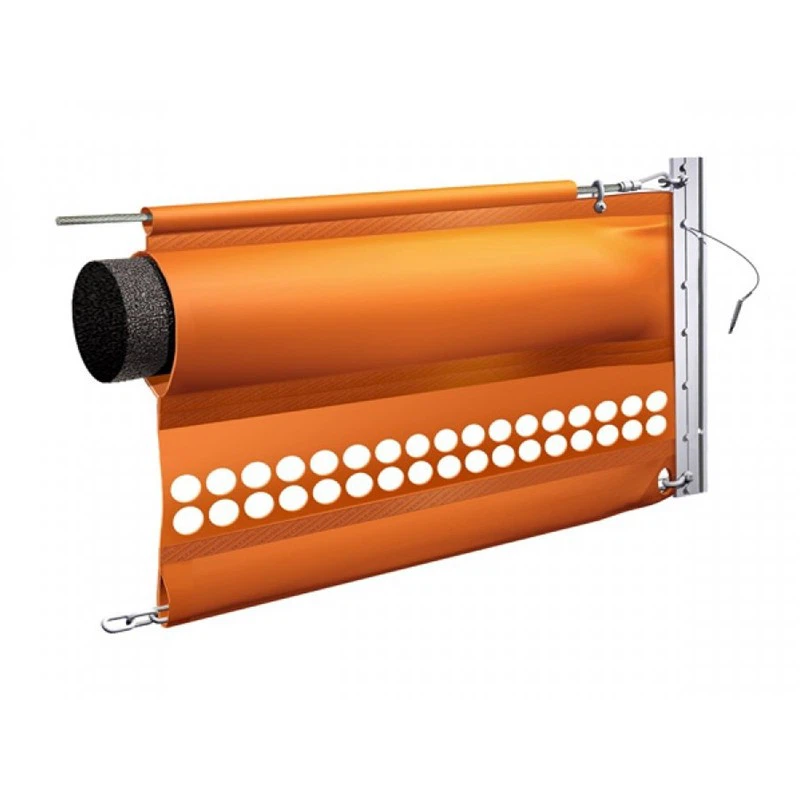

Shipping companies need to invest in proper storage facilities to keep the oil booms in good condition. They also need to regularly inspect and maintain the booms to ensure that they are ready for use when needed. And when an oil spill occurs, the cost of deploying the booms, along with the labor and equipment required, can add up quickly.
Disruption to Shipping Routes
When an oil spill occurs and oil booms are deployed, it can cause disruption to shipping routes. The booms need to be installed in a way that effectively contains the oil, which may require closing off certain parts of the shipping lane. This can lead to delays for vessels, which can be costly for shipping companies.
For example, if a major oil spill occurs in a busy shipping lane, vessels may have to take detours to avoid the area. This not only increases the travel time but also the fuel consumption, which adds to the operating costs. In some cases, the disruption can be so severe that it affects the supply chain, leading to shortages of goods and higher prices for consumers.
Limited Effectiveness in Extreme Conditions
Oil booms are not always effective in extreme weather conditions. High winds, rough seas, and strong currents can make it difficult to keep the booms in place and contain the oil. In these situations, the oil may still spread beyond the booms, reducing their effectiveness.
For instance, during a hurricane or a severe storm, the waves can easily break through the booms, allowing the oil to escape. Shipping companies need to be aware of these limitations and have contingency plans in place for dealing with oil spills in extreme conditions.
Future Outlook and Adaptation
Despite the challenges, the future looks promising for the use of oil booms in the shipping industry. Technological advancements are making oil booms more effective and cost - efficient. For example, new materials are being developed that are more durable and can withstand harsher conditions. There are also improvements in the design of the booms, making them easier to deploy and maintain.
Shipping companies are also becoming more aware of the importance of oil booms and are investing in better spill response plans. They are working closely with oil boom suppliers like me to ensure that they have the right type and amount of booms on hand.
How to Choose the Right Oil Booms
When it comes to choosing the right oil booms, there are several factors to consider. First, you need to think about the type of oil that is likely to be spilled. Different types of oil have different properties, such as viscosity and density, which can affect the performance of the oil booms.
You also need to consider the environmental conditions in the shipping lanes where the booms will be used. If the area is prone to high winds and rough seas, you'll need a more robust and heavy - duty boom. On the other hand, if the area has calm waters, a lighter and more flexible boom may be sufficient.
Contact Us for Your Oil Boom Needs
If you're a shipping company or involved in the shipping industry and are looking for high - quality oil booms, I'm here to help. As an experienced oil booms supplier, I can provide you with the right type of booms for your specific needs. Whether you need a River Containment Boom, a Floating Oil Spill Containment Boom, or a Fish Farm Boom, I've got you covered.
Don't hesitate to reach out to me to discuss your requirements. We can work together to find the best solution for your shipping operations and ensure that you're well - prepared for any oil spill situation.
References
- "The Impact of Oil Spills on Marine Ecosystems." Marine Biology Journal.
- "Regulatory Requirements for Oil Spill Response in the Shipping Industry." International Maritime Organization.
- "Technological Advancements in Oil Boom Design and Performance." Journal of Environmental Science and Technology.


