


As a supplier of Fish Farm Booms, I've witnessed firsthand the rapid growth and increasing popularity of fish farming in recent years. The use of Fish Farm Booms has been a significant part of this expansion, providing a practical solution for containing fish in specific areas, protecting them from predators, and facilitating more efficient management of fish populations. However, like any technology or industry, the Fish Farm Boom phenomenon is not without its limitations. In this blog post, I'll explore some of the key limitations associated with the widespread use of Fish Farm Booms.
Environmental Impact
One of the most significant limitations of the Fish Farm Boom is its potential environmental impact. Fish farms often generate large amounts of waste, including uneaten feed, feces, and chemicals used for disease control. When these waste products are released into the surrounding water, they can cause water pollution, leading to eutrophication, oxygen depletion, and the growth of harmful algal blooms. These environmental problems can have a detrimental effect on the health of the aquatic ecosystem, including the death of fish and other marine organisms.
Fish Farm Booms are designed to contain fish within a specific area, but they are not always effective at preventing the escape of fish. Escaped fish can interbreed with wild populations, potentially altering the genetic makeup of native fish species. This can have long - term consequences for the biodiversity and ecological balance of the region. Additionally, escaped fish may introduce diseases and parasites to wild populations, further threatening the health of the ecosystem.
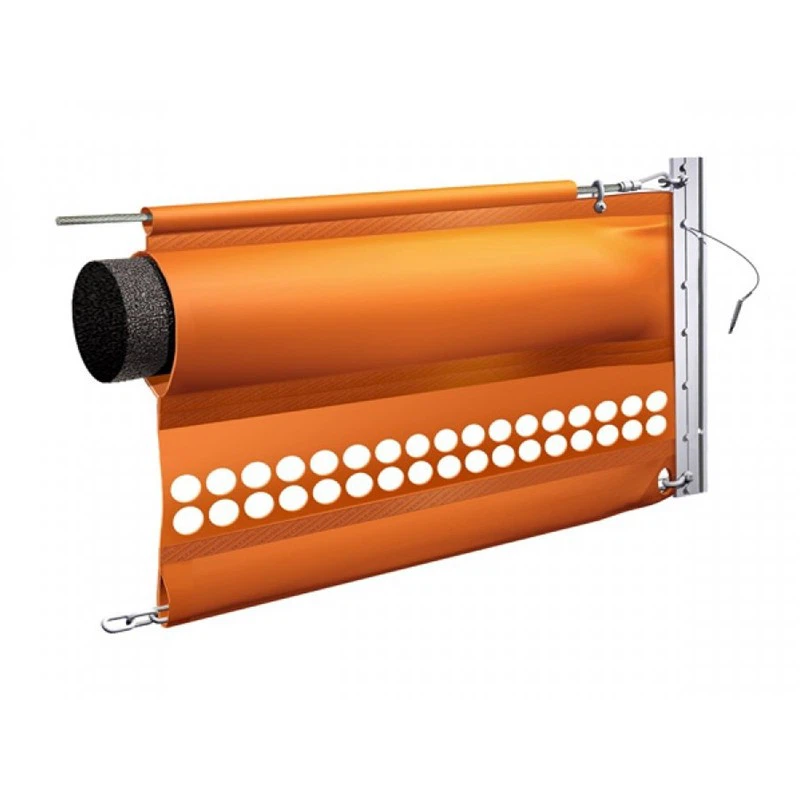

The installation of Fish Farm Booms can also have a physical impact on the marine environment. The booms can disrupt the natural flow of water, affecting sedimentation patterns and the movement of marine organisms. They may also damage sensitive habitats such as seagrass beds and coral reefs, which are important for the survival of many marine species. For more information on the types of booms used in such settings, you can visit River Containment Boom.
Disease and Parasite Management
Fish farms are often crowded environments, which can create ideal conditions for the spread of diseases and parasites. Despite the use of Fish Farm Booms to isolate fish populations, diseases can still spread rapidly within a farm. Common fish diseases, such as bacterial infections, viral diseases, and parasitic infestations, can cause significant economic losses for fish farmers.
Managing diseases and parasites in fish farms requires the use of antibiotics, pesticides, and other chemicals. However, the overuse of these chemicals can lead to the development of antibiotic - resistant bacteria and the accumulation of chemical residues in fish and the environment. This not only poses a risk to human health when consumers eat contaminated fish but also has negative implications for the long - term sustainability of fish farming.
Another challenge in disease management is the difficulty of early detection. Fish are often kept in large numbers, and it can be challenging to identify sick fish in a timely manner. By the time symptoms become apparent, the disease may have already spread throughout the population, making it more difficult and expensive to control.
Economic Viability
While fish farming has the potential to be a profitable industry, there are several economic limitations associated with the use of Fish Farm Booms. The initial investment required to set up a fish farm, including the purchase of Fish Farm Booms, equipment, and fish stock, can be substantial. This high start - up cost can be a barrier for small - scale farmers and new entrants to the industry.
Fish farming is also subject to market fluctuations. The price of fish can be affected by factors such as supply and demand, competition from wild - caught fish, and changes in consumer preferences. If the market price of fish drops, fish farmers may struggle to cover their costs, especially if they have high debt levels from the initial investment.
In addition, the cost of maintaining Fish Farm Booms and other equipment can be significant. Booms need to be regularly inspected, repaired, and replaced to ensure their effectiveness. Any damage to the booms, such as from storms or vandalism, can result in additional expenses for the fish farmer.
Social and Regulatory Challenges
Fish farming can sometimes lead to conflicts with other stakeholders, such as fishermen, environmental groups, and local communities. Fishermen may be concerned about the impact of fish farms on wild fish populations, including competition for resources and the spread of diseases. Environmental groups may oppose fish farming due to its potential environmental impact. Local communities may have concerns about the visual impact of fish farms, the smell, and the potential for water pollution.
Regulatory requirements for fish farming can also be a limitation. Different regions have different regulations regarding the siting, operation, and environmental management of fish farms. Complying with these regulations can be time - consuming and costly for fish farmers. For example, obtaining the necessary permits and approvals for a new fish farm can take months or even years, which can delay the start of operations and increase the overall cost of the project.
Technological Limitations
Although Fish Farm Booms have been an important tool in fish farming, there are still some technological limitations. Current booms may not be suitable for all types of water bodies and environmental conditions. For example, in areas with strong currents or high waves, the booms may be damaged or displaced, reducing their effectiveness in containing fish.
The design of Fish Farm Booms also has room for improvement. Some booms may not provide adequate protection against predators, such as seals and sharks. There is a need for more innovative boom designs that can better withstand harsh environmental conditions and provide enhanced protection for fish. For those interested in different types of booms, Floating Oil Spill Containment Boom offers an alternative perspective on boom technology.
Conclusion
As a supplier of Fish Farm Boom, I understand the importance of these products in the fish farming industry. However, it's crucial to recognize the limitations associated with their use. The environmental, disease management, economic, social, and technological challenges all need to be addressed to ensure the long - term sustainability of fish farming.
Despite these limitations, fish farming still has the potential to play an important role in meeting the growing global demand for fish. By investing in research and development, improving management practices, and working closely with stakeholders, we can overcome many of these challenges.
If you're involved in the fish farming industry and are considering purchasing Fish Farm Booms, I encourage you to reach out to discuss your specific needs. We're committed to providing high - quality products and working with you to find solutions that address the limitations and challenges you may face in your fish farming operations.
References
- FAO. (2020). The State of World Fisheries and Aquaculture 2020. Rome: Food and Agriculture Organization of the United Nations.
- Naylor, R. L., et al. (2000). Effect of aquaculture on world fish supplies. Nature, 405(6790), 1017 - 1024.
- Subasinghe, R. P., et al. (2009). Aquaculture and food security: towards understanding the interactions. Aquaculture, 297(1 - 2), 1 - 7.


