


Rebound resilience is a crucial property that significantly impacts the performance and functionality of various materials, including PVC Mesh Fabric. As a dedicated supplier of PVC Mesh Fabric, I am excited to delve into the concept of rebound resilience, its significance in the context of PVC Mesh Fabric, and how it influences the practical applications of this versatile material.
Understanding Rebound Resilience
Rebound resilience, also known as elastic resilience, refers to the ability of a material to recover its original shape and dimensions after being deformed by an external force. When a force is applied to a material, it causes the material to deform. The material then stores the energy from the deformation. If the material has high rebound resilience, it can efficiently convert the stored energy back into kinetic energy, allowing it to return to its original state quickly and with minimal energy loss.
In the case of PVC Mesh Fabric, rebound resilience plays a vital role in determining its durability, flexibility, and overall performance. A fabric with high rebound resilience can withstand repeated stretching, bending, and compression without losing its shape or structural integrity. This makes it ideal for applications where the fabric is subjected to dynamic forces and frequent use.
Factors Affecting the Rebound Resilience of PVC Mesh Fabric
Several factors influence the rebound resilience of PVC Mesh Fabric. Understanding these factors can help manufacturers optimize the production process and enhance the performance of the fabric.
PVC Composition
The quality and composition of the PVC used in the fabric are critical determinants of its rebound resilience. High - quality PVC resins with appropriate plasticizers and additives can improve the elasticity and flexibility of the fabric, resulting in better rebound properties. The ratio of PVC to other components in the fabric formulation also affects its mechanical properties, including rebound resilience.
Mesh Structure
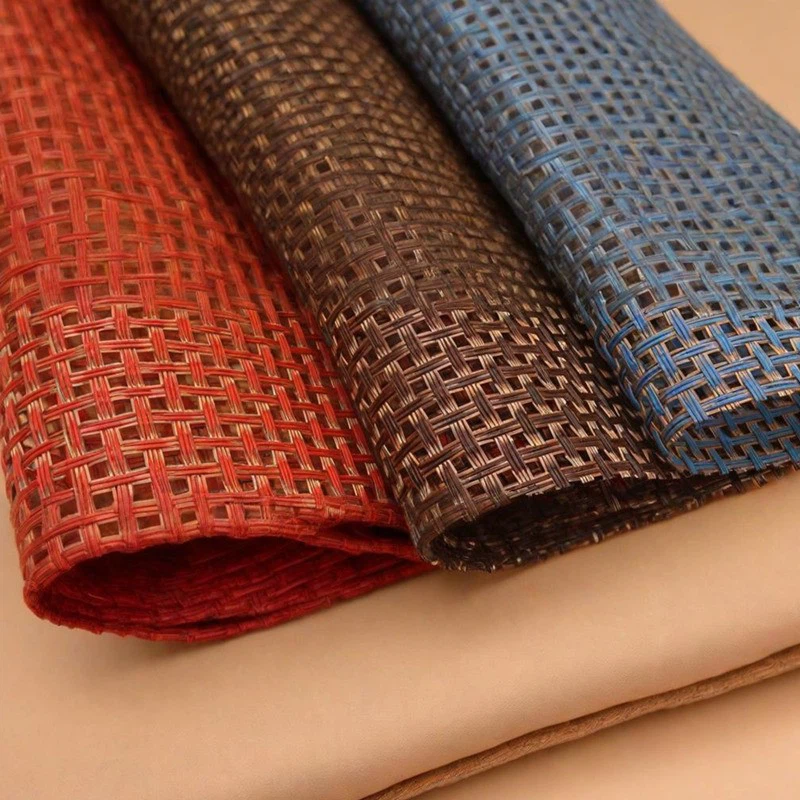
The structure of the mesh, such as the size of the openings, the thickness of the strands, and the pattern of the weave, can have a significant impact on the fabric's rebound resilience. A well - designed mesh structure can distribute the applied force evenly across the fabric, allowing it to deform and recover more effectively. For example, a fabric with a more open mesh structure may be more flexible and have better rebound resilience than a fabric with a denser mesh.
Manufacturing Process
The manufacturing process of PVC Mesh Fabric, including extrusion, weaving, and coating, can influence its rebound resilience. Precise control of the process parameters, such as temperature, pressure, and speed, is essential to ensure the proper formation of the PVC matrix and the integrity of the mesh structure. Improper manufacturing conditions can lead to defects in the fabric, such as uneven thickness or weak bonding between the PVC and the mesh, which can reduce its rebound resilience.
Importance of Rebound Resilience in Practical Applications
The rebound resilience of PVC Mesh Fabric has far - reaching implications for its practical applications. Here are some key areas where this property is particularly important:
Outdoor Shading and Screening
PVC Mesh Fabric is widely used for outdoor shading and screening applications, such as window shades, patio screens, and agricultural shade nets. In these applications, the fabric is exposed to wind, rain, and sunlight, which can cause it to stretch and deform over time. A fabric with high rebound resilience can withstand these environmental stresses and maintain its shape and functionality, providing long - lasting shading and screening solutions.
Sports Equipment
In the sports industry, PVC Mesh Fabric is used in the production of various equipment, such as sports nets, protective gear, and training aids. The ability of the fabric to rebound quickly after being hit or stretched is crucial for ensuring the performance and safety of the equipment. For example, a sports net with high rebound resilience can effectively catch and redirect balls, enhancing the playing experience.
Industrial Applications
In industrial settings, PVC Mesh Fabric is used for filtration, ventilation, and separation processes. The fabric's rebound resilience is important for maintaining its shape and porosity during operation. A fabric that can recover its original shape after being compressed or stretched can ensure consistent filtration efficiency and airflow, making it suitable for a wide range of industrial applications.
Comparing PVC Mesh Fabric with Other Fabrics
When considering the use of PVC Mesh Fabric, it is useful to compare its rebound resilience with other types of fabrics commonly used in similar applications.
100% Blackout Fabric
100% Blackout Fabric is designed to block out light completely. While it may have good light - blocking properties, it typically has lower rebound resilience compared to PVC Mesh Fabric. This is because blackout fabrics are often made of dense materials that are less elastic and more prone to permanent deformation. PVC Mesh Fabric, on the other hand, can offer a balance between light control and rebound resilience, making it a more versatile option for applications where both functions are required.
Teslin Mesh Fabric
Teslin Mesh Fabric is known for its high strength and durability. However, its rebound resilience may vary depending on its specific composition and manufacturing process. In some cases, PVC Mesh Fabric can have comparable or better rebound resilience than Teslin Mesh Fabric, especially when it is optimized for this property. The choice between the two fabrics depends on the specific requirements of the application, such as the level of flexibility, breathability, and cost.
Testing the Rebound Resilience of PVC Mesh Fabric
To ensure the quality and performance of PVC Mesh Fabric, it is essential to test its rebound resilience. There are several standard test methods available for measuring this property, such as the impact resilience test and the compression set test.
The impact resilience test involves dropping a weighted object onto the fabric and measuring the height of the rebound. A higher rebound height indicates better rebound resilience. The compression set test, on the other hand, measures the amount of permanent deformation of the fabric after being compressed for a specified period. A lower compression set value means that the fabric has better rebound properties and can recover its shape more effectively.
Conclusion and Call to Action
In conclusion, the rebound resilience of PVC Mesh Fabric is a crucial property that affects its performance, durability, and suitability for various applications. As a supplier of PVC Mesh Fabric, we are committed to providing high - quality products with excellent rebound resilience. Our team of experts uses advanced manufacturing techniques and quality control measures to ensure that our PVC Mesh Fabric meets the highest standards.
If you are in the market for PVC Mesh Fabric and are interested in learning more about its rebound resilience and other properties, or if you have specific requirements for your application, we encourage you to contact us. We would be happy to discuss your needs and provide you with the best solutions. Whether you are in the outdoor shading, sports, or industrial sector, our PVC Mesh Fabric can offer the performance and reliability you need.

References
- ASTM International. (2023). Standard Test Methods for Rubber Property - Resilience Using a Rebound Pendulum.
- ISO. (2022). Plastics - Determination of Compression Set.
- Textile Institute. (2021). Handbook of Textile Testing and Quality Control.


