

What is the role of an oil bladder in a marine engine?
In the complex and demanding world of marine engineering, every component plays a crucial role in ensuring the smooth and efficient operation of a vessel's engine. One such component that often goes unnoticed but is of significant importance is the oil bladder. As an experienced oil bladder supplier, I have witnessed firsthand the vital functions these devices perform in marine engines.
Understanding the Basics of an Oil Bladder
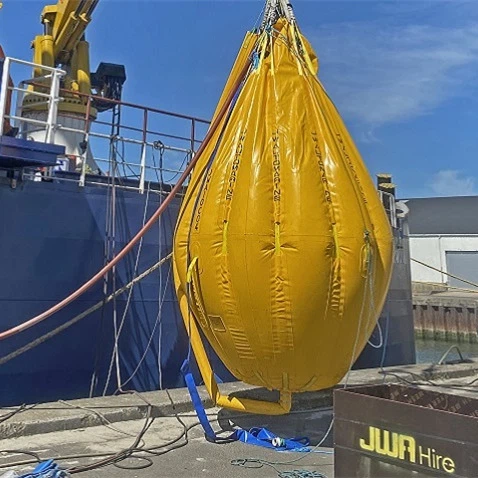
An oil bladder is a flexible container designed to hold and manage oil within a marine engine system. It is typically made from high - quality, durable materials that can withstand the harsh marine environment, including exposure to saltwater, extreme temperatures, and mechanical stresses. The bladder's flexibility allows it to adapt to changes in oil volume and pressure, which is essential for maintaining a stable oil supply to the engine.
Maintaining Oil Volume and Pressure
One of the primary roles of an oil bladder in a marine engine is to maintain a consistent oil volume and pressure. In a marine engine, the oil serves multiple purposes, such as lubricating moving parts, reducing friction, and dissipating heat. Any fluctuations in oil volume or pressure can have a detrimental effect on the engine's performance and longevity.
The oil bladder acts as a buffer, absorbing any sudden changes in oil volume. For example, when the engine is running at high speeds, the oil may expand due to the heat generated. The oil bladder can accommodate this expansion, preventing excessive pressure build - up in the engine's oil system. Conversely, when the engine cools down, the oil contracts, and the bladder releases oil back into the system to maintain the proper volume.
This ability to regulate oil volume and pressure helps to ensure that the engine's moving parts are always properly lubricated. Insufficient lubrication can lead to increased friction, which in turn can cause wear and tear on the engine components, reduce efficiency, and even result in engine failure. By maintaining a stable oil supply, the oil bladder helps to extend the life of the engine and reduce the need for costly repairs.
Protecting Against Contamination
Another important role of the oil bladder is to protect the engine oil from contamination. In the marine environment, there are numerous potential sources of contamination, such as saltwater, dirt, and debris. If these contaminants enter the engine's oil system, they can cause damage to the engine components and reduce the effectiveness of the oil as a lubricant.
The oil bladder provides a physical barrier between the oil and the external environment. Its sealed design prevents contaminants from entering the bladder and, by extension, the engine's oil system. This helps to keep the oil clean and pure, ensuring that it can perform its lubricating and cooling functions effectively.
In addition, the oil bladder can also help to remove any contaminants that may already be present in the oil. Some oil bladders are equipped with filtration systems that can trap dirt and debris as the oil passes through the bladder. This further enhances the quality of the oil and helps to protect the engine from damage.
Facilitating Maintenance and Inspection
The oil bladder also plays a role in facilitating engine maintenance and inspection. In a marine engine, regular maintenance is essential to ensure optimal performance and reliability. The oil bladder makes it easier to access and monitor the engine oil.
For maintenance purposes, the oil bladder can be easily drained and refilled. This allows for routine oil changes, which are necessary to remove any contaminants that may have accumulated in the oil over time. Additionally, the bladder's design often allows for easy visual inspection of the oil level and condition. By simply looking at the bladder, maintenance personnel can quickly determine if the oil needs to be changed or if there are any signs of contamination or other issues.
Comparing with Other Similar Products
While oil bladders are specifically designed for marine engine applications, there are other similar products in the market, such as Water Bladder and Cooking Oil Storage Bag. However, these products serve different purposes.


Water bladders are mainly used for storing and transporting water. They are designed to be leak - proof and to withstand the weight and pressure of water. In contrast, oil bladders are engineered to handle the unique properties of engine oil, such as its viscosity and chemical composition.
Cooking oil storage bags are intended for use in the food industry for storing cooking oil. They are made from food - grade materials and are designed to meet the hygiene and safety standards required for food storage. Oil bladders for marine engines, on the other hand, need to be able to withstand the harsh marine environment and the specific demands of engine operation.
Our Expertise as an Oil Bladder Supplier
As an oil bladder supplier, we understand the critical role that these components play in marine engines. We offer a wide range of oil bladders that are designed to meet the specific needs of different marine engine models and applications.
Our oil bladders are manufactured using the latest technology and high - quality materials. We conduct rigorous quality control tests to ensure that each bladder meets the highest standards of performance and reliability. Whether you need a standard oil bladder or a custom - designed solution, we have the expertise and resources to provide you with the right product.
Conclusion and Call to Action
In conclusion, the oil bladder is an essential component in a marine engine. It plays a vital role in maintaining oil volume and pressure, protecting against contamination, and facilitating maintenance and inspection. Without a properly functioning oil bladder, the engine's performance and longevity can be severely compromised.
If you are in the market for a reliable oil bladder for your marine engine, we invite you to explore our product range at Oil Bladder. Our team of experts is ready to assist you in selecting the right oil bladder for your specific needs. Contact us today to start a discussion about your requirements and to learn more about how our oil bladders can enhance the performance and reliability of your marine engine.
References
- "Marine Engine Handbook" by John J. Kollmann
- "The Fundamentals of Marine Engineering" by David S. Lee
- Technical papers on marine engine lubrication systems from industry research institutions.