

In industrial, outdoor, and commercial applications, TPU coated fabric and PVC coated fabric are two of the most commonly compared materials. Both offer essential properties like waterproofing and durability, and are widely used in tarpaulins, inflatable products, transport protection, industrial covers, and more. However, they differ significantly in material structure, performance, environmental attributes, and long-term cost.
For procurement professionals, engineers, and global buyers, understanding these differences is key to making the right material choice for each application-beyond just comparing price tags.
Material Structure & Composition
TPU Coated Fabric (Thermoplastic Polyurethane) is created by coating a base fabric (such as polyester or nylon) with a layer of TPU. TPU is a thermoplastic elastomer that combines the flexibility of rubber with the durability of plastic.
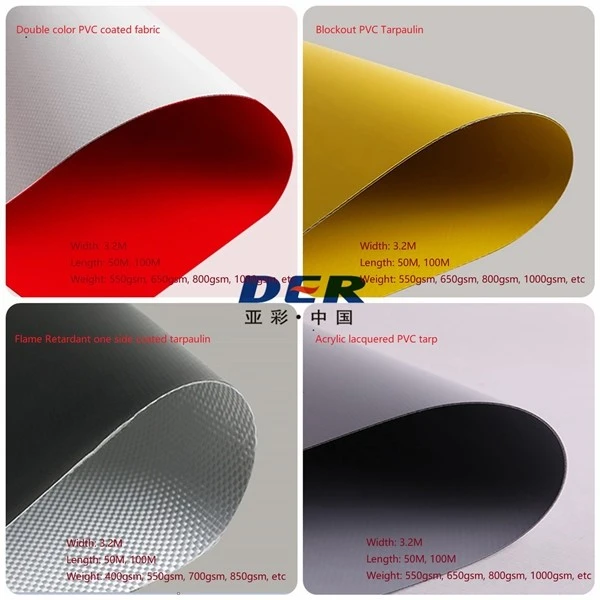
PVC Coated Fabric (Polyvinyl Chloride) is made by coating base fabric with PVC resin, using plasticizers and stabilizers to achieve flexibility and processability.
Key Structural Differences:
|
Aspect |
TPU Coated Fabric |
PVC Coated Fabric |
|
Material Type |
Thermoplastic elastomer (no plasticizers needed) |
PVC resin with added plasticizers |
|
Flexibility Source |
Inherent polymer elasticity |
Relies on plasticizer content |
|
Coating Bond |
Fusion-bonded to fabric |
Mechanically or chemically bonded |
|
Molecular Structure |
Cross-linked polyurethane chains |
Chlorinated hydrocarbon chains |
|
Base Fabric Options |
Polyester, nylon, or blended |
Polyester, nylon, or cotton blends |
|
Coating Thickness Range |
0.1mm – 2.0mm (customizable) |
0.2mm – 3.0mm (customizable) |
|
Adhesion Strength |
Excellent chemical bonding |
Good mechanical bonding |
|
Plasticizer Migration |
None |
Gradual over time |
|
Manufacturing Complexity |
Higher technical requirement |
Standard process |
|
Shelf Life Stability |
Excellent (5+ years stable) |
Moderate (plasticizers may migrate) |
Flexibility & Mechanical Performance
TPU coated fabric maintains stable flexibility, especially in low-temperature environments where it retains elasticity without becoming stiff or cracking.
PVC coated fabric starts with good flexibility, but its performance heavily depends on plasticizers. Over time, these plasticizers may migrate or volatilize, causing the material to harden and become brittle.
Key Performance Differences:
|
Aspect |
TPU Coated Fabric |
PVC Coated Fabric |
|
Low-Temperature Flexibility |
Excellent (down to -40°C) |
Limited (stiffens below -10°C) |
|
High-Temperature Performance |
Stable up to 120°C |
Softens above 60–70°C |
|
Abrasion Resistance |
Outstanding |
Good |
|
Tear Strength |
Superior (nylon-based) |
Good (polyester-based) |
|
Flex Fatigue Resistance |
Excellent – withstands repeated folding |
Poor – prone to cracking after repeated flexing |
|
Cold Crack Resistance |
None down to -40°C |
Risk below -10°C to -20°C |
|
Dynamic Load Performance |
Suitable for moving/stretching parts |
Best for static applications |
|
Recovery from Deformation |
Excellent shape memory |
Limited recovery |
|
Scratch Resistance |
Good |
Moderate |
|
Long-Term Elasticity |
Stable for years |
Degrades over time |
Best Use Cases:
TPU: High-frequency use, dynamic environments (inflatable boats, airbags, folding structures)
PVC: Static or low-frequency use (tarpaulins, stationary covers, tents)

Weather Resistance & Service Life
Both materials offer waterproofing, but TPU excels in overall weather resistance.
TPU Coated Fabric Advantages:
- Stronger UV resistance (with appropriate additives)
- Better hydrolysis resistance (critical in humid environments)
- More stable long-term aging performance
- Excellent resistance to oils, greases, and many solvents
- Maintains properties in high-humidity conditions
PVC Coated Fabric Performance:
- Stable waterproofing
- Weather resistance depends on formulation and additives
- May experience chalking, discoloration, or brittleness after long outdoor exposure
- Migration of plasticizers can accelerate aging
- UV stabilizers required for outdoor use
|
Aspect |
TPU Coated Fabric |
PVC Coated Fabric |
|
UV Resistance (with additives) |
Excellent (5000+ hours QUV) |
Good (2000–3000 hours QUV) |
|
Hydrolysis Resistance |
Excellent |
Poor (plasticizer hydrolysis) |
|
Temperature Range |
-40°C to +120°C |
-10°C to +70°C |
|
Ozone Resistance |
Excellent |
Good |
|
Chemical Resistance |
Excellent (oils, fuels, solvents) |
Good (acids, alkalis) |
|
Microbial Resistance |
Good |
Moderate (fungicides needed) |
|
Outdoor Lifespan |
10–15 years |
5–8 years (may vary) |
|
Color Fastness |
Excellent (minimal fading) |
Moderate (fades over time) |
|
Surface Cracking |
None |
Possible with age |
For applications demanding extended service life, TPU clearly offers advantages.

Environmental Compliance & Safety
With tightening environmental regulations, material sustainability is increasingly important.
TPU Coated Fabric Advantages:
- Recyclable and reprocessable
- No harmful plasticizers required (phthalate-free)
- Lower emissions during production and incineration
- Meets REACH, RoHS, and other environmental standards
- Non-toxic and safe for sensitive applications
- Biodegradation potential in some formulations
PVC Coated Fabric Concerns:
- May contain phthalate plasticizers (some restricted under REACH)
- Incineration can release hydrogen chloride and dioxins
- More challenging to recycle
- Requires careful disposal
- Some stabilizers (lead, cadmium) may be harmful
- Production involves more hazardous chemicals
|
Aspect |
TPU Coated Fabric |
PVC Coated Fabric |
|
Recyclability |
Fully recyclable |
Limited (contamination issues) |
|
Plasticizer Content |
None |
Up to 30–40% by weight |
|
Phthalate Content |
Free |
Often contains (unless phthalate-free) |
|
Halogen Content |
Halogen-free |
Contains chlorine |
|
RoHS Compliance |
Fully compliant |
Compliant with non-phthalate formulations |
|
REACH Compliance |
Fully compliant |
Requires careful formulation |
|
Combustion Byproducts |
CO₂, H₂O |
HCl, dioxins |
|
Eco-Label Potential |
High |
Moderate |
|
End-of-Life Options |
Recycling or energy recovery |
Landfill or incineration |
|
Biodegradability |
Some grades available |
Not biodegradable |
Long-term, TPU aligns better with sustainability trends and emerging regulations.

Weight & Hand Feel
TPU Coated Fabric:
- Lighter and softer overall
- Maintains high strength-to-weight ratio
- Better portability and user experience
- Feels more like fabric; drapes better
- Good for wearable and portable applications
PVC Coated Fabric:
- Heavier and stiffer
- Provides structural stability
- Feels more like plastic or rubber
- Better for rigid or framed structures
- Can be designed for semi-rigid applications
|
Aspect |
TPU Coated Fabric |
PVC Coated Fabric |
|
Weight per m² (standard) |
300–800g |
400–1200g |
|
Drapeability |
Excellent |
Moderate |
|
Hand Feel |
Soft, rubbery, fabric-like |
Firm, plastic-like |
|
Thickness Flexibility |
Thin to thick (0.1–2.0mm) |
Medium to thick (0.2–3.0mm) |
|
Surface Tack |
Low |
Can be tacky |
|
Noise (flexing) |
Low |
Moderate |
|
Portability |
Excellent |
Good |
|
Stacking/Storage |
Compact |
Bulkier |
Summary:
TPU: Lightweight, soft, comfortable, easy to fold/store
PVC: Heavy, firm, structural, better for framed/rigid applications
Cost & Economic Comparison
Cost is why PVC remains dominant in large-volume markets.
|
Cost Factor |
TPU Coated Fabric |
PVC Coated Fabric |
|
Raw Material Cost |
Higher (3–5× PVC resin) |
Lower |
|
Manufacturing Cost |
Higher (technical process) |
Lower (mass production) |
|
Tooling/Equipment Cost |
Specialized equipment needed |
Standard equipment works |
|
Factory Price (per m²) |
Higher |
Lower |
|
Lifecycle Cost |
Lower (longer life) |
Higher (more frequent replacement) |
|
Logistics/Shipping |
Lighter = lower freight cost |
Heavier = higher freight cost |
|
Maintenance Cost |
Lower |
Higher (aging, replacement) |
|
Total Cost of Ownership |
Competitive over lifespan |
Lower upfront, higher long-term |
Value Proposition:
PVC: Lower initial investment, suitable for budget-sensitive, short-term, or disposable applications
TPU: Higher upfront cost, but superior performance and longevity offer better total value over the product lifecycle
Application Comparison
TPU Coated Fabric – Common Applications:
- Inflatable boats and water rescue equipment
- Medical and healthcare products (air mattresses, stretchers)
- Premium outdoor gear (tents, backpacks, sleeping pads)
- Military and specialty protective materials
- High-performance waterproof bags and luggage
- Automotive airbags and interior trim
- Flexible storage tanks and bladders
- Protective clothing and chemical suits
- Marine fenders and buoyancy devices
- Aerospace and aviation components
PVC Coated Fabric – Common Applications:
- Truck tarpaulins and trailer covers
- Construction site protection and scaffolding wraps
- Advertising banners and signage materials
- Industrial warehouse covers and storage tents
- Agricultural covers and temporary greenhouses
- Pond liners and water storage reservoirs
- Inflatable structures (bouncy castles, advertising inflatables)
- Protective covers for machinery and equipment
- Tents and awnings (budget segment)
- Mining and bulk material covers
Application Guide:
|
Application Need |
Recommended |
|
Long outdoor exposure |
TPU |
|
Extreme temperatures (-40°C to +120°C) |
TPU |
|
Food/medical contact |
TPU |
|
Frequent flexing/folding |
TPU |
|
Lightweight + portable |
TPU |
|
Cost-sensitive, large areas |
PVC |
|
Heavy-duty structural support |
PVC |
|
Short-term or seasonal use |
PVC |
|
Graphic/print applications |
PVC |
|
Highly chemical/oil environment |
TPU |
|
Eco-friendly/sustainable requirement |
TPU |
|
Non-slip, rubbery grip |
TPU |
|
Rigid, framed structures |
PVC |
Summary: How to Choose the Right Material?
There is no absolute "better" material – only what's "better" for your specific application.
When to Choose TPU Coated Fabric:
- Long service life is required (>8–10 years)
- Wide temperature range performance is critical
- Superior UV and hydrolysis resistance needed
- Environmental compliance is a priority
- Flexibility and foldability are important
- High mechanical stress (abrasion, flex fatigue)
- Food contact, medical, or sensitive applications
- Lightweight and portable solutions needed
When to Choose PVC Coated Fabric:
- Budget is the primary constraint
- Large coverage areas with cost sensitivity
- Short-term or seasonal use (1–5 years)
- Static, non-stress applications
- Structural integrity/rigidity required
- Printing and signage applications
- Heavy-duty, non-folding uses
- Where weight is not a concern
Decision Matrix:
|
Criteria |
Weight |
TPU Rating |
PVC Rating |
Best Choice |
|
Durability |
High |
9/10 |
6/10 |
TPU |
|
Flexibility |
High |
9/10 |
5/10 |
TPU |
|
Temperature Range |
Medium |
9/10 |
5/10 |
TPU |
|
UV Resistance |
High |
8/10 |
5/10 |
TPU |
|
Environmental |
Medium |
9/10 |
4/10 |
TPU |
|
Weight |
Medium |
9/10 |
6/10 |
TPU |
|
Cost |
High |
4/10 |
9/10 |
PVC |
|
Processing |
High |
6/10 |
8/10 |
PVC |
Conclusion
As material technology advances and global environmental standards tighten, TPU coated fabric is emerging as the preferred choice for high-performance applications, while PVC coated fabric remains a cost-effective workhorse for price-sensitive markets.
Key Takeaways:
- TPU offers superior flexibility, weather resistance, longevity, and eco-compliance – at a higher upfront cost
- PVC offers proven waterproofing and durability at a lower price – with trade-offs in long-term performance
- The choice depends on your application, service life requirements, and total cost of ownership
When selecting materials, consider:
- Service environment (temperature, UV exposure, humidity)
- Service life (months or years?)
- Performance requirements (flexing, abrasion, chemical exposure)
- Budget (initial cost vs. lifecycle value)
- Environmental compliance (regulations, sustainability goals)
Get Expert Material Selection & Technical Support
If you're looking for the right coated fabric solution for your project, DERFLEX provides tailored material recommendations and custom solutions based on your specific application needs.
Whether you need TPU or PVC coated fabric, we can help you optimize from material selection and performance testing to cost control – ensuring stability and value in real-world use.
Why Choose DERFLEX?
- 20+ years of manufacturing experience
- ISO 9001 & 14001 certified
- Factory-direct pricing
- Free sample testing available
- Customization in size, color, thickness, and lamination
- Technical support for material selection and application
Contact us for sample testing or technical consultation – we'll help you make the right material choice with confidence.


