


Hey there! As a supplier of transparent film, I often get asked, "Can transparent film be used for printing?" Well, the short answer is yes, but there's a lot more to it than that. In this blog post, I'm going to dive deep into the world of transparent film printing, exploring its possibilities, limitations, and best practices.

What is Transparent Film?
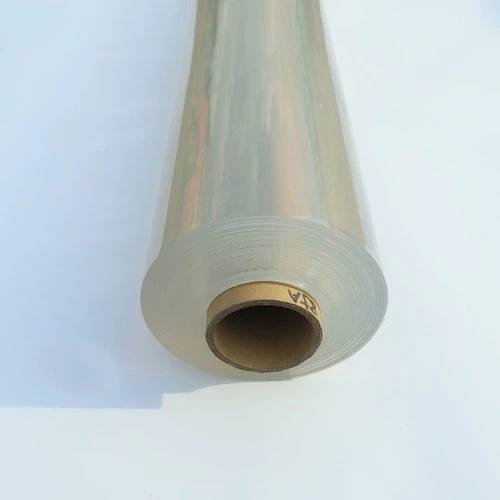
Before we get into printing, let's first understand what transparent film is. Transparent film is a thin, clear material made from various polymers such as polyester, polypropylene, or PVC. It's known for its high clarity, flexibility, and durability, making it a popular choice for a wide range of applications, including packaging, signage, and graphic arts.
One type of transparent film that's gaining popularity in the printing industry is Clear TPU Film. TPU, or thermoplastic polyurethane, is a versatile material that offers excellent transparency, abrasion resistance, and flexibility. Clear TPU film is often used for printing high-quality graphics, labels, and decals, thanks to its ability to hold sharp details and vibrant colors.
Can Transparent Film Be Printed On?
The simple answer is yes, transparent film can be printed on. However, not all transparent films are created equal, and some may be more suitable for printing than others. The key factors to consider when choosing a transparent film for printing include:
- Printing Method: Different printing methods, such as inkjet, laser, or screen printing, require different types of film. For example, inkjet printers work best with films that have a porous surface to absorb the ink, while laser printers require films that can withstand high temperatures without warping or melting.
- Ink Compatibility: The type of ink used for printing also plays a crucial role in the quality of the print. Some inks may not adhere well to certain types of transparent film, resulting in smudging, fading, or poor color reproduction. It's important to choose an ink that is specifically formulated for use on transparent film.
- Surface Finish: The surface finish of the transparent film can also affect the print quality. Films with a smooth surface tend to produce sharper, more vibrant prints, while films with a textured surface may create a more matte or diffuse effect.
Types of Printing on Transparent Film
There are several different types of printing that can be done on transparent film, each with its own advantages and disadvantages. Here are some of the most common printing methods used for transparent film:
- Inkjet Printing: Inkjet printing is a popular choice for printing on transparent film because it is relatively inexpensive, easy to use, and can produce high-quality prints with a wide range of colors. Inkjet printers work by spraying tiny droplets of ink onto the film, creating a detailed image or text. However, inkjet prints may not be as durable as other types of prints, and they may require special coatings or laminations to protect the ink from smudging or fading.
- Laser Printing: Laser printing is another common method for printing on transparent film. Laser printers use a laser beam to heat and fuse toner particles onto the film, creating a permanent image or text. Laser prints are typically more durable and resistant to smudging and fading than inkjet prints, but they may be more expensive and require a special type of film that can withstand the high temperatures generated by the laser.
- Screen Printing: Screen printing is a traditional printing method that involves using a stencil to apply ink to the film. Screen printing is ideal for printing large quantities of the same design, as it can produce high-quality prints with a thick, opaque layer of ink. However, screen printing can be time-consuming and expensive, especially for small runs or complex designs.
- Digital Printing: Digital printing is a newer printing method that uses digital technology to transfer an image or text directly onto the film. Digital printing is similar to inkjet printing, but it uses a different type of ink and printing process to produce high-quality prints with a wider range of colors and finer details. Digital printing is often used for short runs or custom prints, as it is more flexible and cost-effective than other types of printing.
Applications of Printed Transparent Film
Printed transparent film has a wide range of applications in various industries, including:
- Packaging: Transparent film is commonly used for packaging food, beverages, cosmetics, and other consumer products. Printed transparent film can be used to create eye-catching labels, tags, and wrappers that provide important information about the product, such as its ingredients, usage instructions, and expiration date.
- Signage: Transparent film is also a popular choice for signage, as it can be printed with high-quality graphics and text to create visually appealing signs that are easy to read from a distance. Printed transparent film signs can be used for indoor and outdoor applications, such as storefronts, trade shows, and events.
- Graphic Arts: Printed transparent film is often used in the graphic arts industry for creating posters, banners, and other visual displays. The transparency of the film allows the background to show through, creating a unique and eye-catching effect.
- Decorative Applications: Printed transparent film can also be used for decorative applications, such as window decals, wall art, and furniture accents. The ability to print high-quality graphics and images on transparent film makes it a versatile and creative material for adding a personal touch to any space.
Tips for Printing on Transparent Film
Printing on transparent film can be a bit challenging, but with the right techniques and tools, you can achieve high-quality prints that look great and last. Here are some tips for printing on transparent film:
- Choose the Right Film: As mentioned earlier, choosing the right type of transparent film for printing is crucial for achieving the best results. Make sure to consider the printing method, ink compatibility, and surface finish when selecting a film.
- Prepare the Film: Before printing, it's important to prepare the film by cleaning it thoroughly to remove any dust, dirt, or fingerprints. You can use a mild detergent and water to clean the film, or a specialized film cleaner.
- Use the Right Ink: Using the right type of ink is essential for achieving high-quality prints on transparent film. Make sure to choose an ink that is specifically formulated for use on transparent film and is compatible with your printing method.
- Test the Print: Before printing a large batch of transparent film, it's a good idea to test the print on a small piece of film to make sure the colors, resolution, and overall quality meet your expectations. This will allow you to make any necessary adjustments to the printing settings or film type before printing the entire batch.
- Protect the Print: Once the print is complete, it's important to protect it from smudging, fading, or damage. You can do this by applying a clear coating or lamination to the film, which will help to seal the ink and protect it from the elements.
Conclusion
In conclusion, transparent film can be used for printing, but it requires careful consideration of the printing method, ink compatibility, and surface finish. By choosing the right type of film and following the tips and techniques outlined in this blog post, you can achieve high-quality prints on transparent film that look great and last.
If you're interested in learning more about transparent film printing or would like to discuss your specific printing needs, please don't hesitate to contact me. I'm here to help you find the best solution for your printing project and ensure that you get the highest quality prints possible.
References
- "Printing on Transparent Film: A Comprehensive Guide." PrintWeek, [date].
- "How to Print on Transparent Film." eHow, [date].
- "The Ultimate Guide to Printing on Transparent Film." SignWarehouse, [date].


