


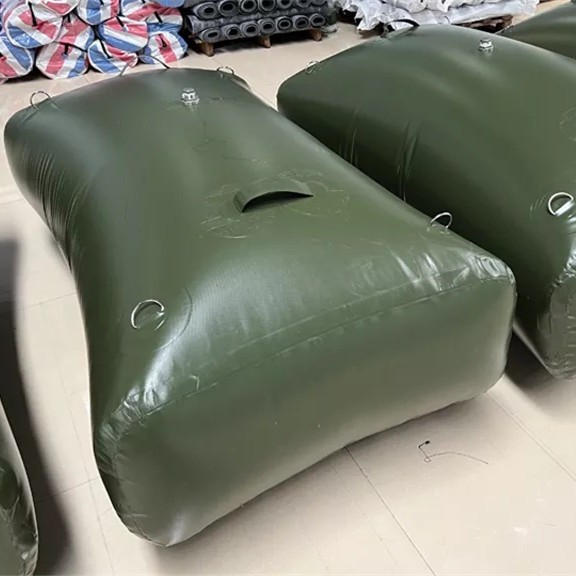
As a reputable supplier of pillow tanks, I often encounter inquiries from customers regarding the specific installation area requirements for these versatile storage solutions. Pillow tanks are flexible, collapsible containers designed to store a variety of liquids, including water, oil, and chemicals. Their portability and ease of installation make them a popular choice for temporary or permanent storage needs in a wide range of industries. In this blog post, I will delve into the key factors to consider when determining the appropriate installation area for pillow tanks.
Surface Condition
One of the primary considerations when installing a pillow tank is the surface on which it will be placed. The surface should be flat, level, and free of any sharp objects or debris that could potentially puncture or damage the tank. Uneven surfaces can cause stress points on the tank, leading to premature wear and tear or even failure. Therefore, it is essential to prepare the installation area carefully before placing the tank.
For small to medium-sized pillow tanks, a smooth and compacted surface such as concrete, asphalt, or a well-packed gravel pad is ideal. These surfaces provide a stable base and help distribute the weight of the tank evenly. If the installation area is on grass or soil, it is recommended to lay down a protective liner or geotextile fabric to prevent the tank from coming into direct contact with the ground and to minimize the risk of punctures.
Space Requirements
Another important factor to consider is the amount of space required for the installation of the pillow tank. The size of the tank will depend on the volume of liquid it needs to store, as well as the available space at the installation site. It is crucial to ensure that there is enough clearance around the tank for easy access, maintenance, and inspection.
In addition to the physical space required for the tank itself, it is also necessary to consider the space needed for any additional equipment or accessories, such as pumps, hoses, and valves. These components should be installed in a location that allows for easy operation and maintenance.
Environmental Factors
The environmental conditions at the installation site can also have a significant impact on the performance and lifespan of the pillow tank. Exposure to extreme temperatures, sunlight, and harsh weather conditions can cause the tank material to degrade over time, leading to leaks or other issues. Therefore, it is important to choose a location that provides adequate protection from these elements.
If the tank will be installed outdoors, it is recommended to provide some form of shading or cover to protect it from direct sunlight. This can help prevent the tank from overheating and reduce the risk of UV damage. In areas with high winds or heavy rainfall, it may be necessary to secure the tank to the ground using anchors or straps to prevent it from being blown away or damaged.

Accessibility
Accessibility is another crucial consideration when choosing an installation area for a pillow tank. The tank should be located in a place that is easily accessible for filling, emptying, and maintenance. This includes having sufficient space for trucks or other vehicles to maneuver around the tank and access the filling and discharge points.
In addition, it is important to ensure that there is easy access to power and water sources, if required. This will make it easier to operate any pumps or other equipment associated with the tank.
Regulatory Requirements
Finally, it is essential to comply with all relevant regulatory requirements and guidelines when installing a pillow tank. This may include obtaining the necessary permits and approvals from local authorities, as well as adhering to specific safety and environmental standards.
Before installing a pillow tank, it is advisable to consult with a professional engineer or a regulatory agency to ensure that all requirements are met. This will help avoid any potential legal issues or fines and ensure that the tank is installed safely and correctly.
Conclusion
In conclusion, while pillow tanks are relatively easy to install and can be used in a variety of settings, there are several important factors to consider when determining the appropriate installation area. By taking into account the surface condition, space requirements, environmental factors, accessibility, and regulatory requirements, you can ensure that your pillow tank is installed in a location that provides optimal performance and longevity.
At our company, we offer a wide range of pillow tanks, including Cooking Oil Storage Bag, Water Bladder, and Oil Bladder, to meet the diverse needs of our customers. Our team of experts can provide you with professional advice and guidance on the installation and maintenance of your pillow tank. If you have any questions or would like to discuss your specific storage requirements, please do not hesitate to contact us. We look forward to working with you to find the perfect solution for your liquid storage needs.
References
- "Flexible Intermediate Bulk Containers (FIBCs) - Safety and Handling Guidelines." International Organization for Standardization (ISO).
- "Storage Tanks - Design, Installation, and Maintenance." American Petroleum Institute (API).
- "Water Storage Tanks - Best Practices for Installation and Maintenance." National Fire Protection Association (NFPA).


