

What is PU Coated Fabric?
PU coated fabric is a material (like polyester or nylon) that has been coated with a layer of Polyurethane to make it waterproof, windproof, and highly durable, while remaining flexible and lightweight.
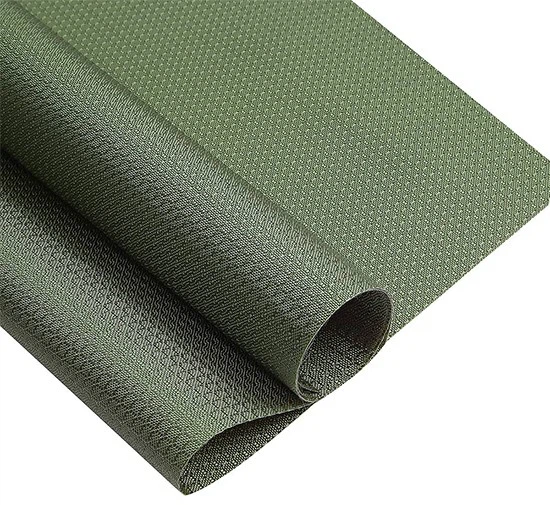
Main applications of PU coated fabrics:
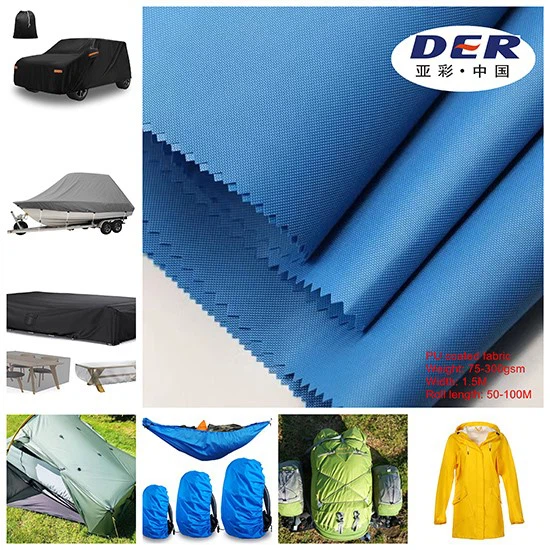
● Outdoor Gear: Rain jackets, rain pants, lightweight hiking gear, overtrousers, and gaiters.
● Bags and Luggage: Backpack rain covers, waterproof backpacks, duffel bags, and protective luggage covers.
● Sporting Goods: Tent footprints, lightweight tents, and some sleeping bag covers.
● Home and Garden: Tarpaulins (often as a lighter alternative to heavy PVC tarps), garden furniture covers, and protective sheets.
● Marine Industry: Boat covers, sail covers, and other protective marine applications.
● Automotive: Car covers and interior protective liners.
● Medical and Protective Equipment: Certain types of protective apparel and barriers.
What is PVC coated fabric?
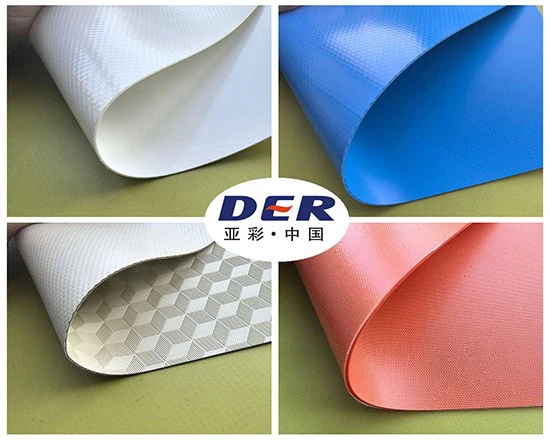
PVC coated fabric is a material where a base fabric (like polyester or nylon) is completely enveloped and bonded with Polyvinyl Chloride (PVC), creating a solid, impermeable sheet that is highly waterproof, durable, and resistant to chemicals and abrasion. It's known for being very tough but generally stiffer and less breathable than other coatings.
Main Applications of PVC coated fabric:
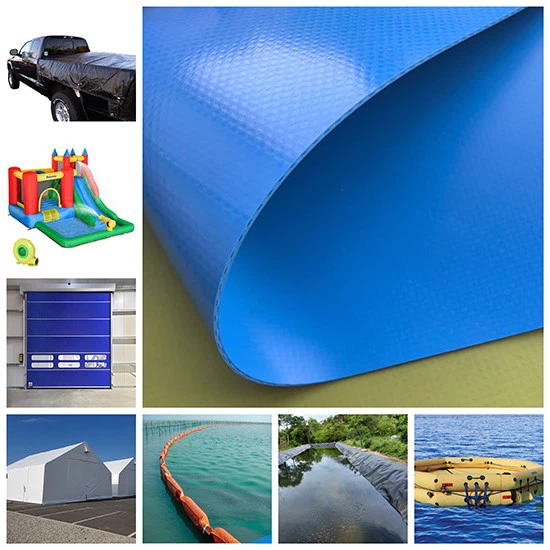
● Industrial & Commercial: Tarpaulins (truck tarps, industrial covers), inflatable products (docks, rafts, bounce houses), and protective barriers.
● Marine: Boat covers, bimini tops, and life rafts.
● Outdoor & Furniture: Awnings, marquees, tents for events, and outdoor furniture cushions.
● Transportation: Side curtains for trucks, grain trailers, and luggage covers.
● Safety & Protection: Protective aprons, water-filled barriers, and pond liners.
Quick Comparison Table
|
Feature |
PVC (Polyvinyl Chloride) |
PU (Polyurethane) |
|
Feel & Hand |
Stiffer, heavier, more plastic-like |
Softer, more flexible, fabric-like |
|
Weight |
Generally heavier |
Generally lighter |
|
Durability |
Excellent abrasion and tear resistance |
Good durability, but can be more prone to scratching |
|
Waterproofness |
Excellent, highly impermeable |
Excellent, highly impermeable |
|
Breathability |
Not breathable |
Can be made breathable (e.g., for rainwear) |
|
Cold Weather |
Becomes very stiff and brittle |
Remains flexible in cold temperatures |
|
Environmental Impact |
Contains chlorine & plasticizers; harder to recycle |
More environmentally friendly options (e.g., solvent-free) |
|
Cost |
Generally less expensive |
Generally more expensive |
|
Common Applications |
Truck tarps, inflatables, awnings, tents |
High-end rain jackets, footwear, |
Deep Dive into the Differences
1. Composition and Feel
PVC: The coating is a plastic layer that sits on top of the fabric. It often requires additives called plasticizers to make it flexible. Over time, these plasticizers can migrate to the surface (a process called "blooming"), which can make the fabric feel sticky or stiffen the base material. The result is a distinctly plastic, heavier feel.
PU: The coating is typically applied as a thinner, more flexible layer. It can be applied as a film or in a process where it penetrates the fabric's fibers, resulting in a much softer handfeel (i.e., it feels more like fabric than plastic). Higher-quality PU coatings are often 100% thermoplastic and don't require plasticizers.
2. Performance
Durability: PVC is extremely tough and resistant to abrasion, chemicals, and tearing. This is why it's used for heavy-duty industrial applications. PU is also durable but can be more susceptible to peeling or scratching under extreme stress.
Flexibility & Cold Weather: This is a key differentiator. PU performs far better in cold climates. It remains supple and flexible. PVC, on the other hand, becomes stiff, brittle, and can even crack when exposed to freezing temperatures.
Breathability: Standard coatings for both are not breathable. However, PU technology can be engineered to be highly breathable (e.g., using microporous membranes or hydrophilic coatings). This is why it's the preferred choice for performance rainwear and active apparel, as it allows sweat vapor to escape while keeping rain out. PVC is virtually never breathable.
3. Environmental and Safety Considerations
PVC: This is the less environmentally friendly option. Its production involves chlorine and often harmful phthalate plasticizers. It releases dioxins if incinerated improperly. Recycling PVC is challenging due to its chemical composition. There are more stable, phthalate-free PVC options emerging, but the environmental stigma remains.
PU: Generally considered a more advanced and eco-friendlier polymer. It can be produced without solvents (water-based PU), is easier to recycle, and doesn't contain chlorine. While not perfect, it has a greener profile than traditional PVC.
4. Cost
PVC is almost always cheaper to produce than PU. This cost-effectiveness is the primary driver for its use in large-scale industrial and commercial applications where ultimate performance (like breathability or cold flexibility) is not a requirement.
Which One Should You Choose? Application-Based Guide
Choose PVC Coated Fabric for:
● Heavy-Duty Industrial Uses: Truck tarps, industrial curtains, machine covers.
● Outdoor Structures: Awnings, marquees, large tents (where weight and cold flexibility aren't primary concerns).
● Inflatables: bounce houses, life rafts, boats (due to its excellent air retention and puncture resistance).
● Budget-Conscious Projects where long-term flexibility isn't critical.
Choose PU Coated Fabric for:
● Apparel: High-performance rain jackets, rain pants, ski wear, and footwear (thanks to its breathability and cold-weather flexibility).
● Luggage and High-End Bags: Where a softer, more premium feel is desired.
● Medical Applications: Used for mattress covers and other items where a soft, quiet, and non-toxic surface is needed.
● Automotive Interiors: Seat covers, etc., where a fabric-like feel is important.
● Applications requiring extreme cold weather performance.
Conclusion
The choice between PVC and PU isn't about which is "better," but which is more suitable for the specific application.
PVC is the workhorse: incredibly tough, cost-effective, and perfect for heavy-duty, non-wearable applications.
PU is the high-performance option: softer, more flexible, capable of being breathable, and better suited for apparel and applications where user comfort and a premium feel are top priorities.
DERFLEX is professional manufacturer in China focusing on industrial fabrics and films, experience over 25 years. For more information, pls contact:
+8615601786499


