

What is PVC Coated Fabric?
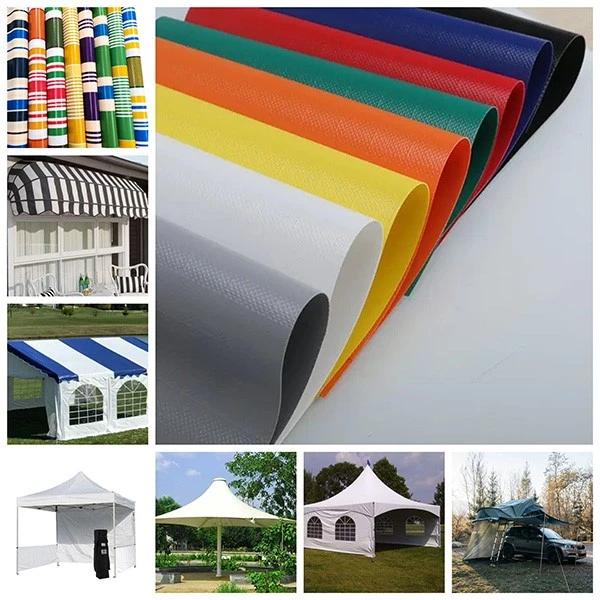
PVC coated fabric, also known as PVC tarpaulin, PVC membrane material, is a heavy-duty, waterproof, and durable sheet material made by applying a Polyvinyl Chloride (PVC) coating to a base fabric grid (scrim), typically made of polyester. The main production process include lamination, semi-coating/hot-melt coating and knife coating. PVC Tarpaulin is a high-performance, synthetic material engineered for strength, longevity, and total weather protection. It is the superior choice for anyone who needs a reliable, long-term covering solution for industrial, commercial, or agricultural purposes, where cheap polyethylene tarps would quickly fail.

What is Acrylic Fabric?
Acrylic fabric, also known as solution dyed fabric, awning fabrics, is widely considered the gold standard for residential and commercial outdoor awnings. It is a solution-dyed, woven textile specifically engineered for long-term exposure to the elements, prioritizing aesthetics, color vibrancy, and breathability. For most residential patio, deck, and window awnings, solution-dyed acrylic fabric is the superior choice. It represents the perfect balance of stunning beauty, exceptional fade resistance, and durable performance. Its breathability feature alone makes it a worthwhile investment for protecting your home's siding and ensuring a comfortable, dry outdoor space for years to come.

Difference between PVC tarp material and acrylic fabrics
|
Feature |
Acrylic |
PVC (Vinyl) Coated Polyester |
Polyolefin |
|
Fade Resistance |
Excellent (Solution-dyed) |
Good (Surface-coated color) |
Very Good (Solution-dyed) |
|
Breathability |
Yes |
No |
Yes |
|
Water Resistance |
Water Repellent |
100% Waterproof |
Water Repellent |
|
Appearance & Feel |
Premium, fabric-like |
Plastic-like, industrial |
Good, fabric-like |
|
Mildew Resistance |
Excellent (due to breathability) |
Good (but can trap moisture) |
Good |
|
Typical Use |
Residential & Commercial Awnings |
Industrial, Boats, Roller Tents |
Lower-cost awnings, sails |
|
Lifespan |
8-15+ years |
10-15+ years (but can stiffen) |
5-10 years |

Deep Dive into the Differences
1. Composition and Construction
This is the most fundamental difference and dictates all other properties.
PVC Coated Fabric: This is a composite material. It starts with a strong "scrim" or base fabric (usually polyester) that provides tensile strength. This scrim is then coated or laminated with liquid PVC plastic, creating a solid, impermeable membrane. It's essentially fabric reinforced with plastic.
Acrylic Fabric: This is a woven textile. Acrylic is a synthetic fiber spun from a polymer solution (like polyester or nylon) and then woven on looms into fabric. It is a textile first and foremost, designed to mimic the properties of wool.
2. Water Resistance and Weatherproofing
PVC: The clear winner for waterproofing. The PVC coating creates a continuous, non-porous barrier that is completely impervious to water. This makes it ideal for applications where keeping water out is critical (e.g., rain tarps, water containment, marine covers).
Acrylic: Acrylic is water-resistant, not waterproof. It has a tight weave that sheds water well, but it will eventually wet through under sustained heavy rain. Its key advantage is breathability. Moisture vapor (like humidity) can pass through the fabric, preventing mildew and condensation buildup underneath. This is why it's preferred for high-end awnings and outdoor furniture covers.
3. Durability and Longevity
PVC: excels in tensile strength, tear resistance, and abrasion resistance. The polyester scrim provides incredible strength, and the PVC coating protects it from physical wear and tear. It is built for harsh industrial and marine environments. Its main weakness is potential plasticizer migration over very long periods (10-15+ years), which can lead to stiffening.
Acrylic: excels in colorfastness and UV resistance. Acrylic fibers are inherently resistant to degradation from sunlight, meaning they won't fade or become brittle as quickly as many other fabrics. However, it is not as strong as PVC and is more susceptible to snagging, pilling, and tearing under high stress.
4. Appearance and Aesthetics
PVC: Has a more technical, industrial, or "plastic" look. While it can be printed with vibrant designs, its texture and drape are clearly synthetic. Newer styles have a more matte finish that mimics fabric better.
Acrylic: is the aesthetic champion. It looks and feels like a high-quality woven textile. It is available in a vast range of rich colors and beautiful patterns. It drapes elegantly and is chosen for applications where appearance is a top priority.
5. Environmental and Health Considerations
PVC: Has faced criticism due to the use of chlorine and certain plasticizers (like phthalates) in its production. While modern, high-quality PVC fabrics often use safer, phthalate-free plasticizers and are fully REACH-compliant, the environmental footprint of PVC production is still a concern for some.
Acrylic: As a textile, it is generally considered more environmentally benign in its end-use phase. However, it is a petroleum-based product and its production involves volatile organic compounds (VOCs).
Which One Should You Choose? Application-Based Guide
Choose PVC Coated Fabric for:
● Full Waterproofing: Truck tarps, rain flies for tents, marine tops, water barriers.
● High Abuse Environments: Industrial curtains, inflatable boats, bounce houses, protective equipment.
● Hygiene & Cleanliness: Temporary medical structures, clean rooms (easy to wipe down and disinfect).
● Flame Retardancy: Applications requiring certified flame retardancy (e.g., event tents, construction sites).
● Budget-Conscious Projects: Where maximum durability at a lower cost is needed.
Choose Acrylic Fabric for:
● High-End Residential Use: Retractable awnings, patio furniture cushions, outdoor umbrellas.
● Breathability is Key: Boat covers (to prevent mold/mildew), furniture covers, barbecue covers.
● Aesthetics Matter: Where a beautiful, traditional woven fabric look is desired.
● Sun Exposure: Applications in very sunny climates where UV resistance is the top priority.
Conclusion
The choice between PVC and Acrylic isn't about which is "better," but which is more suitable for the specific application.
PVC is the heavy-duty workhorse: superior strength, completely waterproof, and built for performance in tough conditions.
Acrylic is the premium aesthetic choice: superior looks, breathability, and UV resistance for residential and commercial applications where appearance and comfort are paramount.
DERFLEX is professional manufacturer in China focusing on industrial fabrics and films, experience over 25 years. For more information, pls contact:
+8615601786499


